A garage door that suddenly will not lift is often blamed on the opener. In many cases, the opener is not the real problem. The spring system has failed, leaving a door that may weigh several hundred pounds too heavy for the opener to move safely. Understanding torsion versus extension springs helps you recognize what is above or beside your door, what repair may involve, and why spring work should never be treated as a casual DIY project.
Both spring types do the same essential job: they counterbalance the door’s weight. When the springs are properly sized and in good condition, the door should feel manageable to lift by hand and the opener should not have to strain. The best system for a particular home depends on door size, weight, available space, budget, and long-term expectations.
Torsion Versus Extension Springs: The Main Difference
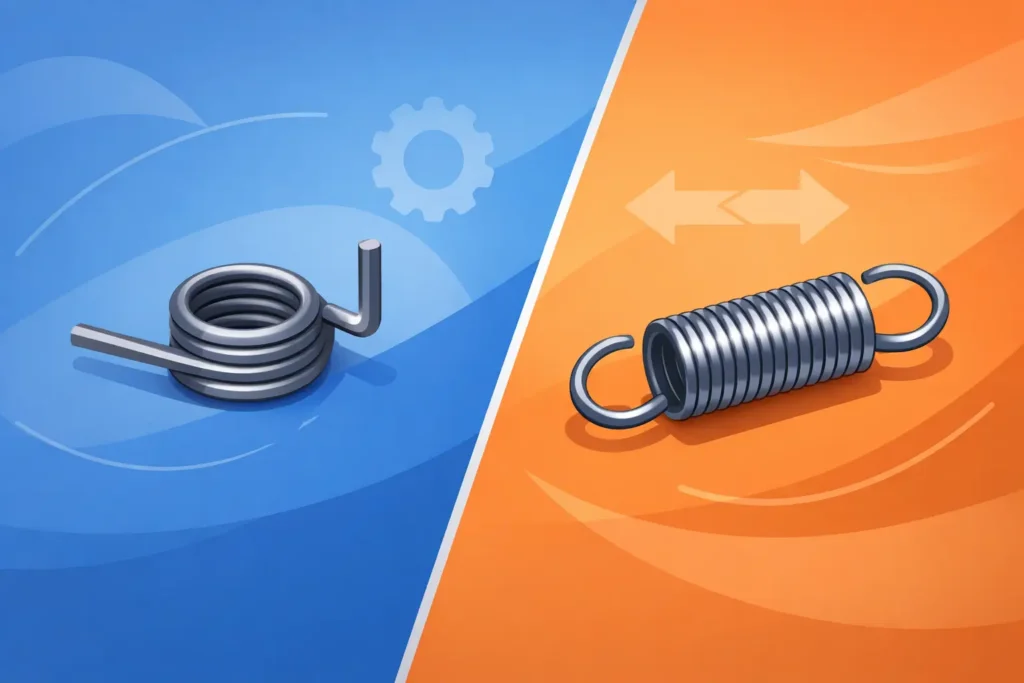
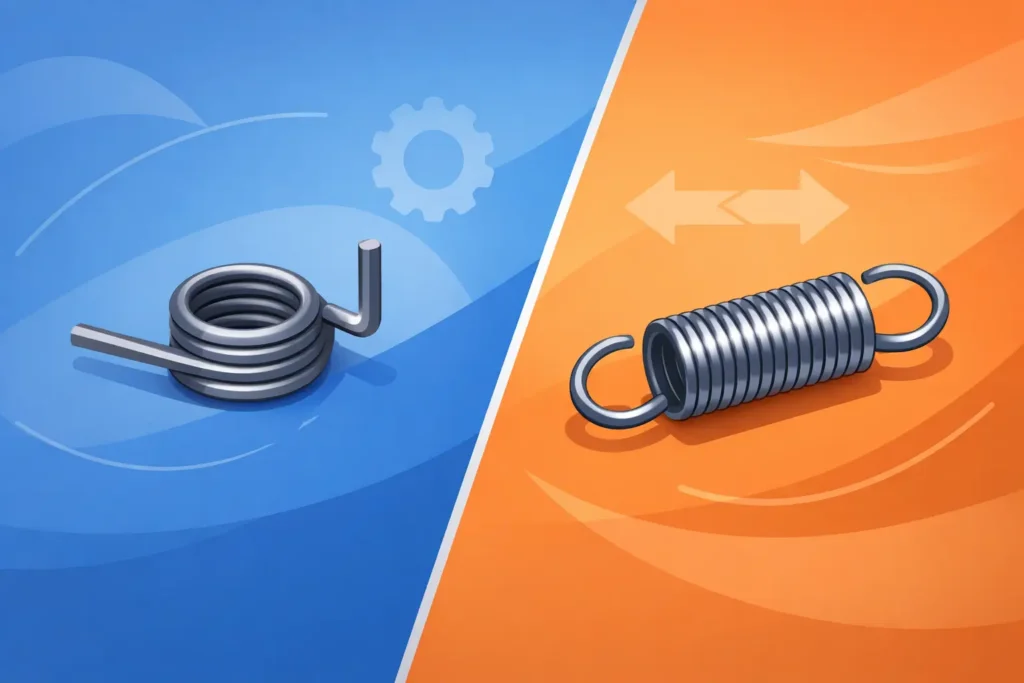
The difference begins with where the springs sit and how they store energy. Torsion springs are mounted on a metal shaft above the garage door opening. As the door closes, the springs wind tighter. When the door opens, they unwind and transfer lifting force through cables and drums at each end of the shaft.
Extension springs run alongside the horizontal tracks, usually above the upper door sections. They stretch as the door closes and contract as it opens. Pulleys and cables help translate that pulling force into lift.
Neither design is automatically right or wrong. Both can operate a garage door reliably when they are correctly selected, installed, and maintained. Still, torsion systems are now the more common choice for many modern residential doors because they generally offer smoother operation, more controlled movement, and a longer service life.
Why Torsion Springs Are Often Preferred
A torsion system distributes lifting force across a shaft above the opening rather than relying on springs pulling from each side of the tracks. That design tends to produce a more balanced, controlled door movement. You may notice less bouncing, less jerking, and less stress on the opener when the system is properly adjusted.
Torsion springs also commonly last longer than standard extension springs. Spring life is measured in cycles, with one opening and closing of the door counting as one cycle. Many standard torsion springs are rated for roughly 10,000 cycles, though high-cycle options can last significantly longer. The actual lifespan depends on usage, weather exposure, door weight, maintenance, and whether the springs were sized correctly from the start.
Safety is another reason homeowners often prefer torsion springs. A torsion spring is mounted on a shaft, which helps contain it if it breaks. The system still holds substantial force and remains dangerous to service, but the spring is less likely to whip across the garage when it fails.
Torsion springs are particularly well suited to heavier insulated steel doors, wood doors, wider doors, and doors with decorative hardware or windows. Those features add weight, and a properly designed torsion system can be matched to the door’s exact lifting needs.
The trade-off is cost and installation complexity. Torsion hardware is typically more involved, and replacement requires specialized tools, accurate measurements, and precise winding. That is not a place to save money by taking shortcuts. An incorrectly installed torsion spring can damage the door, injure someone, or create a door that will not stay open or close safely.
Signs a Torsion Spring May Be Broken
A broken torsion spring often leaves a visible gap in the coil above the door. You may also hear a loud bang in the garage when it breaks. The door may lift only a few inches before stopping, feel extremely heavy by hand, or hang unevenly.
Do not keep pressing the opener button when this happens. Repeated attempts can overwork the opener’s motor, gears, rail, and other components. Disconnecting the opener and leaving the door closed until a technician can inspect it is usually the safest choice.
When Extension Springs Make Sense
Extension springs have been used on residential garage doors for decades. They are common in older garages, especially where the space above the door opening does not accommodate a standard torsion shaft. They can also be a practical option for lighter, single-car garage doors.
One advantage is a lower upfront replacement cost in some situations. The hardware can be simpler, and an existing extension-spring setup may not need a full conversion if the tracks, cables, pulleys, and safety components are in good shape. For a homeowner trying to make a sound repair decision, retaining a properly functioning extension system can be reasonable.
However, extension springs demand closer attention to safety hardware. Every extension spring should have a safety cable running through its center. If a spring breaks, the cable helps prevent the broken spring from flying across the garage. Missing, damaged, or incorrectly installed safety cables should be addressed promptly.
Extension systems can also be more prone to uneven movement if one spring, cable, or pulley wears differently than the other. Worn pulleys may squeak or bind. Frayed cables, stretched springs, and misaligned tracks can make the door noisy or cause it to rise crookedly.
Signs an Extension Spring System Needs Service
Look along both horizontal tracks when the door is closed. A stretched or broken extension spring may hang loose, appear separated, or look noticeably different from the spring on the other side. The door may lift unevenly, slam shut, or stop partway through its travel.
Noise alone does not always mean the springs are failing. Rollers, hinges, pulleys, tracks, and opener components can all create noise. But a door that is suddenly heavy, crooked, or difficult to open deserves prompt professional attention.
Cost, Lifespan, and Conversion Considerations
The right choice is not simply about buying the least expensive spring. A low initial repair cost can become less economical if the door has frequent balance problems, the opener works harder than it should, or related components wear prematurely.
If your home already has extension springs, the decision usually comes down to the condition of the entire system. A straightforward spring replacement may be the sensible repair when the door is light, the hardware is sound, and the system includes proper safety cables. A torsion conversion may be worth considering when the door is heavy, the extension hardware is worn, you want smoother operation, or you are already replacing major door components.
A conversion is not always possible without enough headroom above the opening. There are low-headroom torsion options for certain garages, but the layout must be evaluated on site. Door width, track configuration, ceiling clearance, and the weight of the door all affect what can be installed safely.
For either system, springs should be selected by more than a quick visual estimate. Technicians measure the door and evaluate its weight, spring dimensions, cable condition, drums or pulleys, bearings, tracks, and balance. A spring that is too weak makes the opener carry too much load. One that is too strong can cause the door to rise too aggressively or fail to close correctly.
What Homeowners Can Safely Do
Homeowners can watch for changes in operation, keep the track area clear, and schedule service when the door becomes noisy, uneven, or heavy. If the door is working normally, a visual check can confirm that extension-spring safety cables are present and that no cable is frayed or off its drum or pulley.
What you should not do is adjust spring tension, remove winding cones, loosen set screws, replace cables under tension, or attempt to force a stuck door open. Springs hold enough stored energy to cause serious injury. A professional repair also protects your opener and helps identify related wear before it turns into a larger problem.
For Massachusetts homeowners dealing with a broken spring or an unreliable door, Patriot Garage Door can explain whether a direct replacement or a different spring setup makes the most sense for the door you have. The goal should be a balanced door, dependable daily access, and a repair that is built to last.
A garage door spring is easy to overlook until it fails. If your door is heavy, uneven, or behaving differently than usual, stop using it when possible and arrange an inspection. Clear advice and the right repair now can help keep a small mechanical failure from becoming a damaged opener, a stuck vehicle, or a safety concern at home.
Need Help With Your Garage Door?
From broken springs and opener issues to repairs and new installations, Patriot Garage Door provides dependable service when you need it.