A garage door that will not move can turn an ordinary morning into a real problem. Your car may be trapped inside, your home may be harder to secure, and repeated button presses rarely make the situation better. Proper opener failure repair starts with identifying whether the problem is actually in the opener or somewhere else in the garage door system.
The opener is the motorized unit that moves the door, but it does not work alone. Springs carry most of the door’s weight, cables and tracks guide it, rollers allow it to travel, and safety sensors protect people and property in the doorway. When one of those components fails, the opener may appear to be the issue even when it is only reacting to a heavier or obstructed door.
How to Tell if You Need Opener Failure Repair
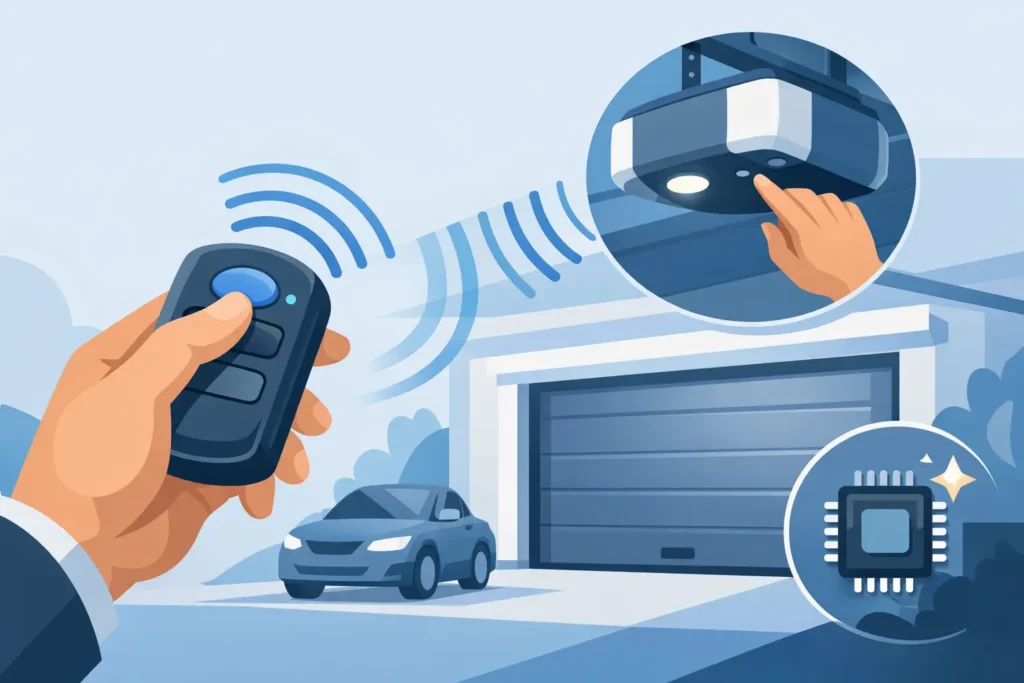
Start by paying attention to what happens when you press the wall button or remote. If the opener makes no sound at all, the cause may be a power issue, a failed control board, a bad wall switch, or a problem with the remote. Check that the opener is plugged in and that the outlet has power. If it is connected to a GFCI outlet, make sure the outlet has not tripped.
If the opener hums, clicks, or runs while the door stays in place, stop trying to operate it. The door may have a broken spring, a damaged cable, or an issue with the drive system. Continuing to run the opener against a door that cannot move can burn out the motor or damage gears that might otherwise have been repairable.
A door that starts down and immediately reverses often points to the photo-eye safety sensors near the bottom of the tracks. Look for objects in the opening, dirty sensor lenses, loose wiring, or sensors that are out of alignment. Most sensors have indicator lights that should be steady when they can see each other.
Common Causes of a Garage Door Opener Failure
Garage door openers are built for frequent use, but age, weather, electrical problems, and strain from the door itself can all take a toll. The right fix depends on the symptoms and the condition of the entire system.
Power, Remote, and Control Problems
Before assuming the opener has failed, rule out simple causes. A remote may need a new battery or may have lost its programming. A wall control can fail, and a loose wire connection can prevent the opener from receiving a command. Power surges can also affect an opener’s circuit board, especially during severe Massachusetts storms.
These problems can sometimes be addressed with a small repair or adjustment. However, if an older unit has recurring electrical issues, replacement may offer better reliability than repeatedly replacing individual parts.
Safety Sensor Misalignment
Photo-eye sensors are designed to stop the door from closing on a person, pet, vehicle, or object. They are essential safety equipment, but they can be bumped by a bike tire, snow shovel, trash bin, or everyday activity in the garage.
Clean the lenses gently and remove anything blocking the path between them. If the lights are blinking or off, alignment or wiring may need attention. Do not bypass or disable sensors to get the door closed. That creates a serious safety risk and may leave the door operating unpredictably.
Worn Gears, Chains, Belts, or Motors
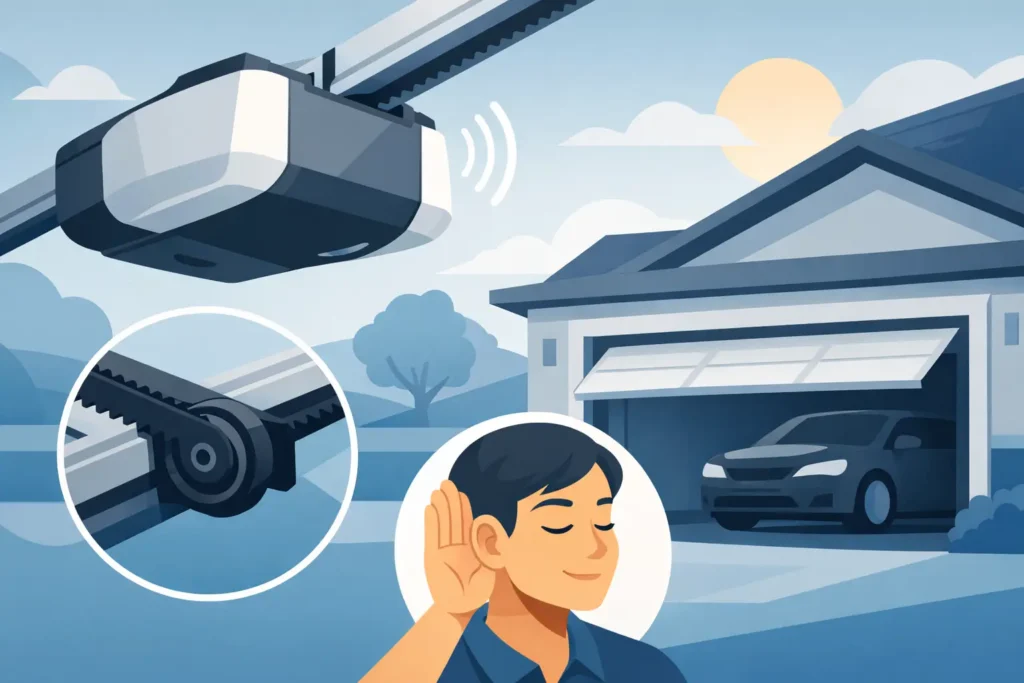
Inside the opener, moving parts gradually wear down. A stripped drive gear may cause the motor to run without lifting the door. A loose or worn chain can create loud banging, jerky movement, or an uneven opening cycle. Belt-drive units are generally quieter, but belts can also wear or lose proper tension over time.
Motor failure is less common than homeowners expect. Often, the motor is being overworked because the garage door is too heavy or binding in the tracks. Replacing an opener without correcting that underlying door problem can shorten the life of the new unit.
A Broken Spring That Looks Like an Opener Problem
A broken torsion spring is one of the most common reasons a garage door suddenly will not open. You may hear a loud bang in the garage, then find that the opener only lifts the door a few inches or cannot lift it at all. The opener is not designed to carry the full weight of the door by itself.
Do not pull the emergency release and try to lift a door with a broken spring unless you are certain you can manage the weight safely. A double garage door can be extremely heavy. Spring replacement requires specialized tools and training because springs are under significant tension.
Safe Checks You Can Make Before Calling
There are a few basic checks that can help narrow down the problem without putting you at risk. Confirm that the opener has power, replace the remote battery, and test the wall button. Clear the door opening and inspect the safety sensor lenses for dirt or obvious misalignment.
You can also look at the door from a safe distance. Check for a gap in the torsion spring above the door, loose cables, bent track sections, or rollers that appear out of place. If a cable is loose or the door is off track, leave the door alone. Trying to force it closed can make the damage worse and increase the chance of the door falling or binding.
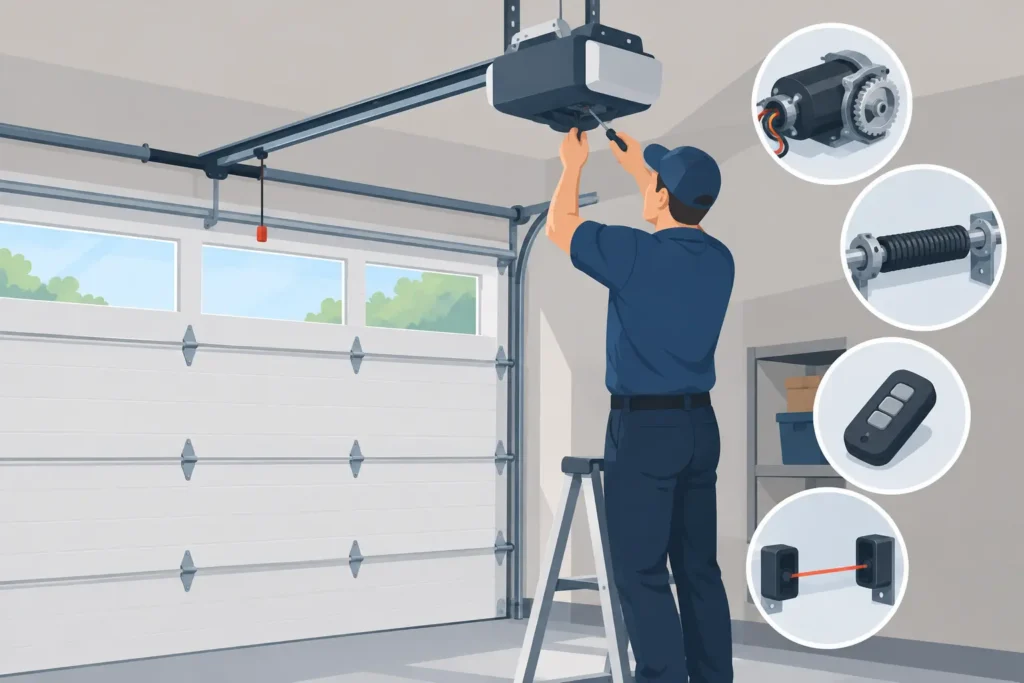
Avoid opening the motor housing, adjusting spring tension, or loosening track hardware. Those repairs are not ordinary DIY maintenance tasks. A trained technician can diagnose whether you need a sensor adjustment, gear replacement, spring repair, or a new opener without guessing.
Repair or Replace the Garage Door Opener?
An honest recommendation should consider the age of the opener, the condition of the door, the repair needed, and the features you want from your system. A relatively new opener with a failed sensor, worn gear, or remote issue is often worth repairing. A quality repair can restore dependable operation without the cost of replacing the whole unit.
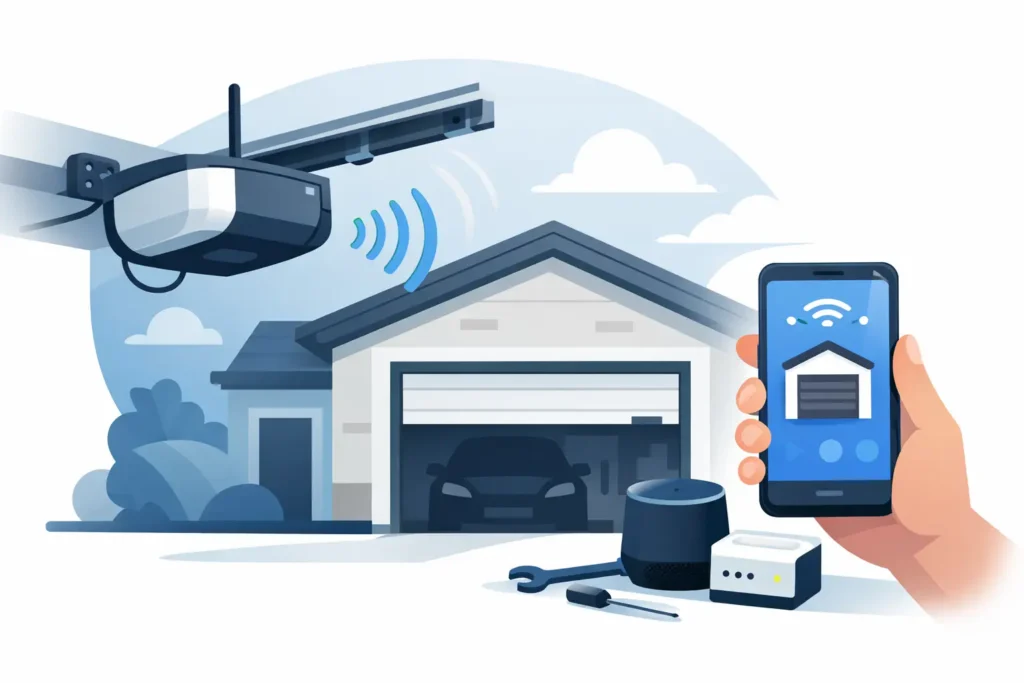
Replacement can make more sense when an opener is older, has repeated failures, lacks modern safety features, or needs a costly motor or circuit board repair. New openers can provide quieter operation, battery backup, improved lighting, smartphone control, and alerts that tell you whether the garage door is open or closed.
The best choice is not always the least expensive option today. If your opener is near the end of its service life, investing in a dependable replacement may prevent another inconvenient failure in the near future. On the other hand, replacing a unit that only needs a straightforward repair is unnecessary. The goal should be a solution that fits the door, the household, and the budget.
Why the Door System Matters in Opener Failure Repair
A well-balanced garage door should be manageable by hand when it is disconnected from the opener, but this test should only be performed when the springs, cables, and tracks appear intact. Balance affects every part of the system. When a door drags, binds, or becomes too heavy, the opener works harder on every cycle.
Regular maintenance helps catch that strain early. Lubricating approved moving parts, checking roller and track condition, testing the reversal system, and verifying door balance can reduce wear on the opener. Maintenance does not prevent every breakdown, but it can help avoid the costly chain reaction where a small door issue damages the opener too.
For homeowners, the practical takeaway is simple: a garage door opener problem is not always an opener problem. Reliable diagnosis protects both your safety and your wallet.
When your door will not open, will not close, or starts acting unpredictably, schedule professional service before the issue becomes larger. Patriot Garage Door provides clear explanations, practical options, and dependable workmanship so you can get back to using your garage safely and confidently.
Need Help With Your Garage Door?
From broken springs and opener issues to repairs and new installations, Patriot Garage Door provides dependable service when you need it.