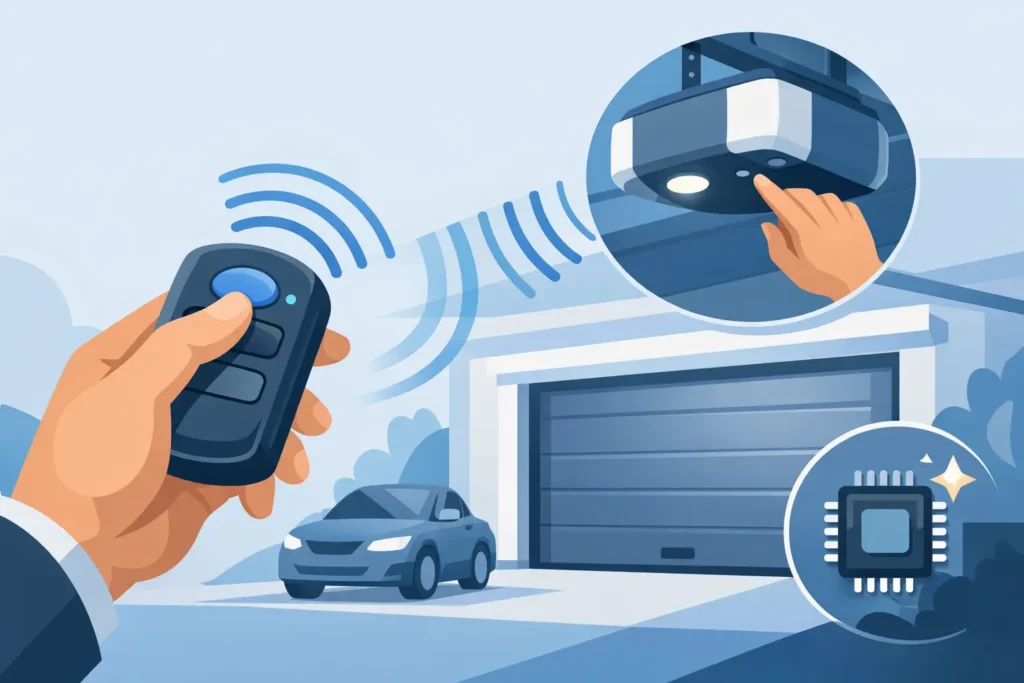
A garage door is often the largest moving part of a home, yet many homeowners still operate it with an aging remote, a noisy opener, or no way to check whether it was left open. Garage automation changes that. The right opener and connected features can give you better control over daily access while adding practical security and safety protections for your household.
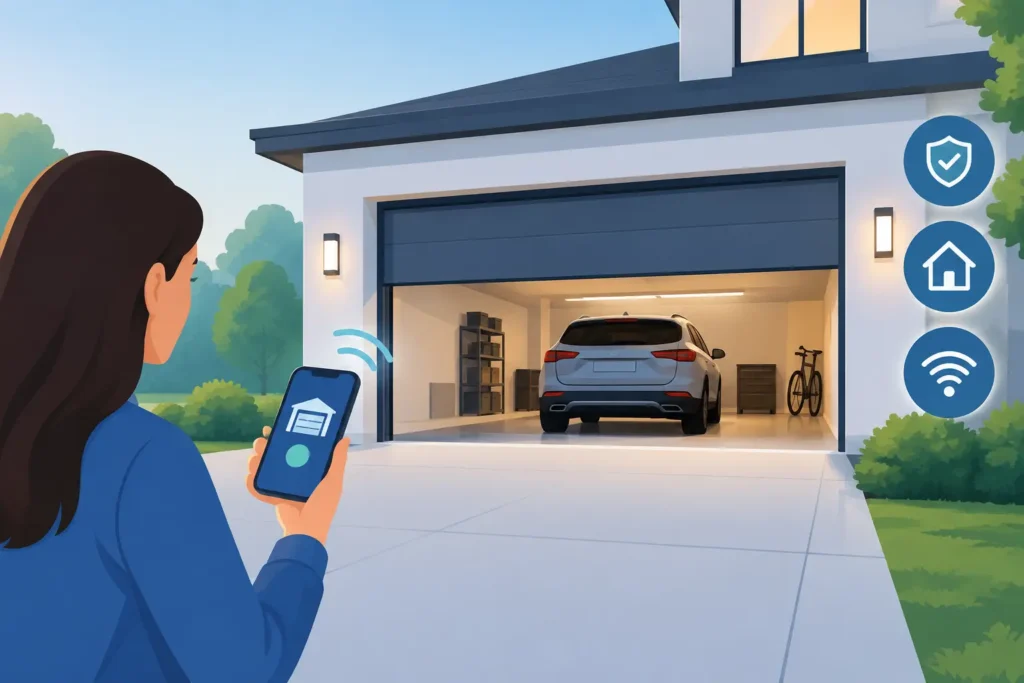
For Massachusetts homeowners, automation is not just about opening the door from a phone. It can mean confirming the door is closed during a workday, letting a family member in without handing out a remote, or avoiding the worry of returning from vacation to an unsecured garage. The best setup depends on the condition of your current door, opener, and hardware – not simply which app has the longest feature list.
What Garage Automation Can Do for Your Home
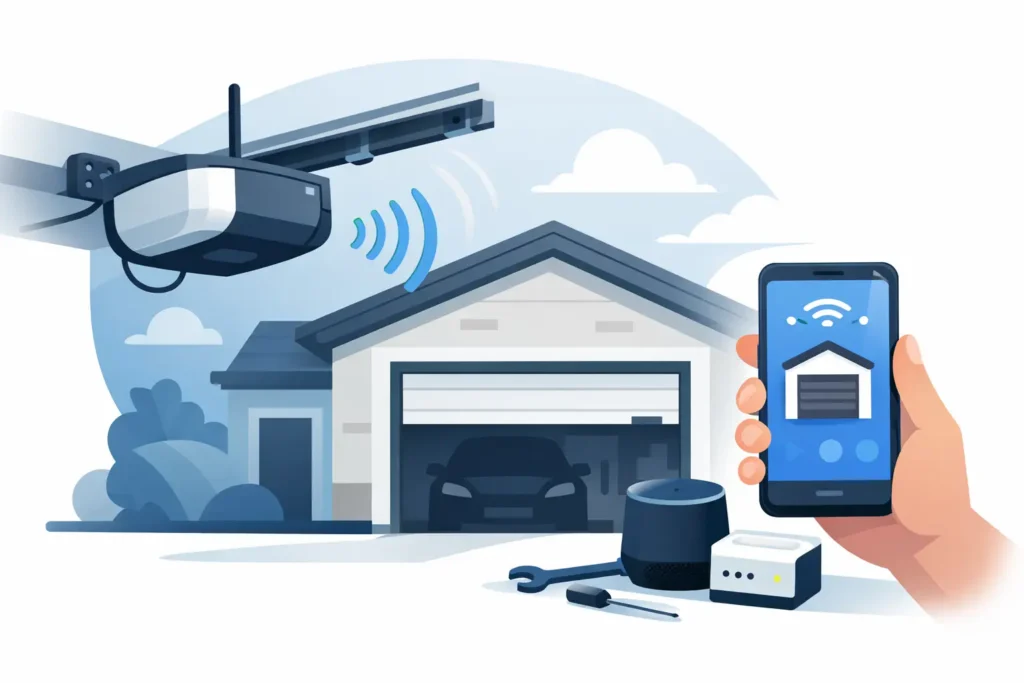
At its most basic, an automated garage door uses an electric opener to raise and lower the door. Modern systems can add Wi-Fi connectivity, smartphone control, real-time alerts, keyless entry, battery backup, and integration with other home devices. Those features should support a reliable door system, not replace the need for one.
Smartphone control is one of the most useful upgrades. Instead of wondering whether the garage was left open, you can check its status from the app and close it remotely when appropriate. Many systems also send an alert when the door opens or remains open past a set time. That is especially helpful for busy households where kids, deliveries, and early departures can make routines unpredictable.
A wireless keypad offers another practical layer of access. It allows you to enter with a personal code when you are walking, biking, or working outside, without carrying a remote. Temporary codes can also be useful for a trusted neighbor, dog walker, or contractor. Access should still be managed carefully. Delete temporary codes when they are no longer needed, and avoid using easy-to-guess combinations.
Some openers include a built-in camera or allow you to see activity around the garage. This can be valuable for monitoring deliveries or checking who entered, but it is not necessary for every home. A dependable opener, properly balanced door, and correctly working safety sensors matter more than adding every available feature.
Start With the Door, Not the App
An app-enabled opener cannot compensate for a garage door that is heavy, damaged, off track, or difficult to move. In fact, automating a door with worn parts can put extra strain on the opener and create a bigger repair later.
Before installing or upgrading an opener, a qualified technician should inspect the complete system. That includes springs, cables, rollers, tracks, hinges, bottom brackets, safety sensors, and the door sections themselves. The door should be balanced so it can move smoothly with minimal effort when disconnected from the opener. A balanced door helps the opener last longer and reduces the chance of sudden operating problems.
Springs deserve particular attention. Garage door springs carry significant tension and should never be adjusted by a homeowner. If your door feels unusually heavy, will not open fully, slams down, or the opener strains and stops, the issue may be with the springs or another mechanical component rather than the motor.
This is where an honest recommendation matters. Sometimes a new smart opener is the right answer. Other times, repairing a cable, replacing worn rollers, realigning sensors, or servicing the existing opener can restore reliable operation at a lower cost. A technician should explain the condition of the system and give you clear options.
Choosing the Right Automated Opener
The best opener is not always the most expensive model. Your choice should reflect the door’s size and weight, the layout of the garage, how often it is used, and the features that will genuinely make life easier.
Drive type affects noise and maintenance
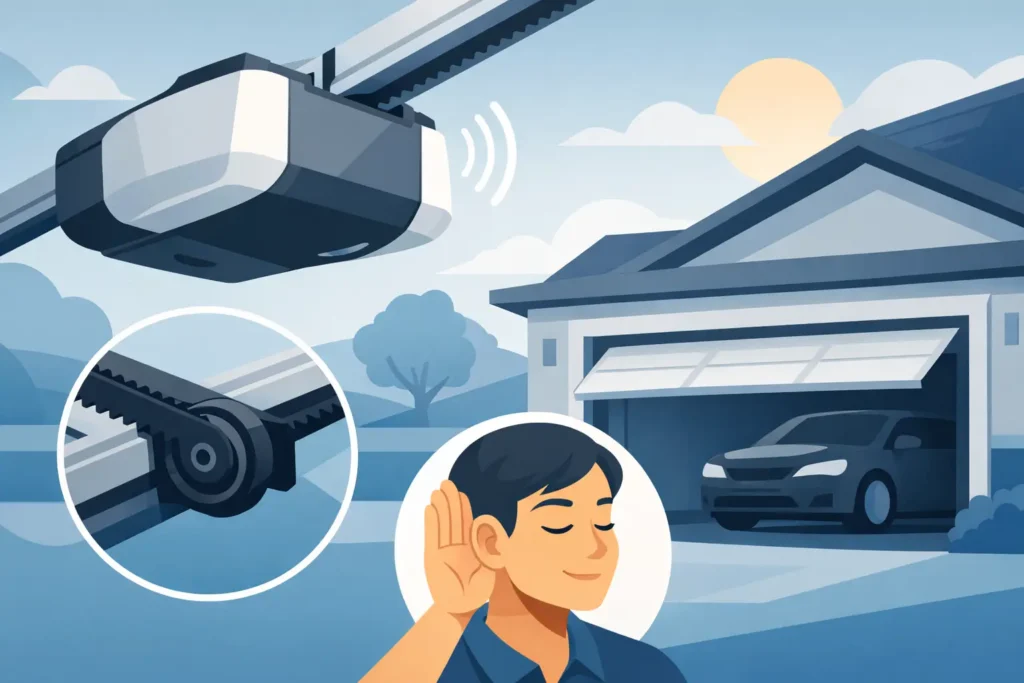
Belt-drive openers are often a strong choice for attached garages because they operate quietly. They are well suited to homes with bedrooms or living space above or beside the garage. Chain-drive openers are durable and commonly used for heavier doors, though they can produce more sound and vibration. Wall-mounted openers free up ceiling space and can be a good fit where overhead storage, high ceilings, or a clean garage layout are priorities.
The right drive system also depends on the door. A heavier insulated door, carriage-style door, or oversized door may need an opener with the proper lifting capacity and compatible reinforcement. Do not assume that a standard opener is appropriate simply because the old one was installed years ago.
Battery backup is worth considering
A battery backup lets the garage door operate during a power outage. That can be more than a convenience during a Massachusetts storm. If the garage is your primary way in and out of the house, battery backup helps preserve access when the electrical system is down.
Manual release cords still matter, and everyone in the household should know how to use them safely. However, a battery-equipped opener can prevent an inconvenient situation from becoming an urgent access problem.
Smart features should be useful, not confusing
Look for controls that are easy for every household member to use. A reliable app should show whether the door is open or closed, allow authorized users to operate it, and provide alerts that you can adjust to your routine. If you have more than one garage door, make sure the system can manage each door clearly.
Compatibility can vary with older openers. In some cases, a smart controller can be added to an existing unit. In others, replacing an older opener is the safer and more dependable option, particularly if it lacks modern safety features or has recurring problems.
Safety Features Are Not Optional
Every automated garage door should have properly functioning photo-eye safety sensors near the bottom of the tracks. These sensors detect an obstruction in the door’s path and signal the opener not to close on it. If the door starts down and reverses, or if it will only close when you hold the wall button, dirty, blocked, misaligned, or damaged sensors may be the cause.
Keep the sensor area clear of boxes, tools, leaves, and stored items. Check that both sensor lenses are clean and that their indicator lights are on. A quick wipe may solve a minor issue, but repeated sensor trouble should be diagnosed rather than bypassed.
The opener’s reversing function should also be tested periodically. A door that does not reverse as expected needs service promptly. Never allow children to play near a moving garage door, run beneath it, or pull on the emergency release handle. Automation adds convenience, but a garage door remains heavy equipment.
When It Makes Sense to Upgrade
If your existing opener is loud but otherwise reliable, a repair or routine tune-up may be enough. But certain signs point to an upgrade: inconsistent operation, lack of safety sensors, no battery backup, limited remote range, repeated breakdowns, or no way to monitor the door when away from home.
An opener replacement also makes sense when installing a new garage door. Matching the opener to the new door’s weight, height, and use pattern helps protect the investment. It is also an ideal time to add a keypad, app setup, battery backup, and properly placed safety equipment in one visit.
Commercial and home-based business users may have different needs. Frequent daily cycles, larger doors, and delivery access can call for heavier-duty equipment and a maintenance plan. The system should be selected for the workload, not just the initial price.
Keep Your Automated System Reliable
Garage automation works best when routine maintenance is not ignored. Listen for grinding, squealing, rattling, or sudden changes in movement. Watch for uneven travel, a door that shakes, or an opener that seems to work harder than usual. Small issues with rollers, hinges, alignment, or balance can become costly if left unaddressed.
Homeowners can keep tracks clear, replace remote batteries, and make sure the photo eyes are unobstructed. Leave spring work, cable adjustments, track repairs, and opener force settings to a trained professional. Those parts affect safe operation and can cause injury or damage when handled incorrectly.
A professional preventative maintenance visit can identify worn components before the door stops working at the worst possible time. It also gives you a chance to ask whether your opener settings, safety features, and smart controls are still serving your household well.
When your garage door is dependable, automation feels simple: the door opens when you need it, closes securely when you leave, and gives you confidence rather than another item to worry about. If your current system is unreliable or overdue for an upgrade, a clear inspection and straightforward recommendation can help you choose a solution that fits your home for years to come.
Need Help With Your Garage Door?
From broken springs and opener issues to repairs and new installations, Patriot Garage Door provides dependable service when you need it.