A new garage door changes more than the front of your home. It affects the safety of a busy entry point, the security of vehicles and tools, daily access to the house, and the way your property looks from the street. A well-planned garage door installation should feel dependable from the first button press, not become another item on the home maintenance list.
For Massachusetts homeowners, the best choice is rarely just the door with the lowest price or the most decorative windows. The right installation balances fit, insulation, durability, operating system compatibility, and the way your household actually uses the garage.
Start With How You Use the Garage
Before comparing door styles, think about what happens inside and around the garage every day. Is it primarily a place to park vehicles? Does it connect directly to your home? Is it used as a workshop, storage space, or a place where children come and go with bikes and sports equipment?
A detached garage used only for parking may not need the same insulation level as an attached garage beneath a bedroom or beside a living space. On the other hand, a garage that serves as a main household entrance benefits from a quiet opener, dependable safety sensors, and a door that seals well against wind, rain, and winter temperatures.
The condition of the existing opening matters, too. A damaged jamb, uneven floor, worn tracks, or framing that has shifted over time can affect how a new door closes and seals. Replacing the door without addressing those conditions can lead to gaps, noisy operation, or premature wear. A qualified technician should inspect the full system, not just measure the opening and order a panel.
Choosing the Right Garage Door Material
Most homeowners choose between steel, wood, composite, aluminum, and glass designs. Each has a place, but the best material depends on priorities such as maintenance, budget, insulation, and curb appeal.
Steel remains a practical choice for many homes because it is durable, available in a wide range of colors and panel designs, and can be paired with insulation. A quality steel door can give the appearance of carriage-house wood without the ongoing refinishing that real wood may require.
Wood offers a distinctive look, especially on traditional or historic-style homes, but it requires regular attention. Moisture, sun exposure, and seasonal temperature swings can affect the finish over time. If the appearance of natural wood is the priority, homeowners should be prepared for the maintenance that protects that investment.
Composite doors can provide a wood-like appearance with less upkeep, while aluminum and glass doors create a clean, contemporary style. Glass-forward designs bring in natural light, but they may offer less privacy and insulation depending on the glass selection. The right option is the one that works with your home, not simply the one that looks best in a showroom photo.
Insulation Is About More Than Temperature
An insulated garage door can make a meaningful difference when the garage is attached to the home or used as a functional space. It can help limit heat loss in winter, reduce summer heat buildup, and soften outside noise. It may also make the door feel more solid during operation.
That said, insulation has a cost, and not every garage needs the highest available rating. If the space is detached, unconditioned, and used only occasionally, a basic door may be the sensible choice. Honest recommendations should match the door to the home and the homeowner’s needs, rather than pushing upgrades that will not provide real value.
What a Professional Garage Door Installation Includes
A garage door is a moving system under significant tension. The door, tracks, rollers, cables, springs, brackets, and opener must work together correctly. That is why installation quality matters as much as the door itself.
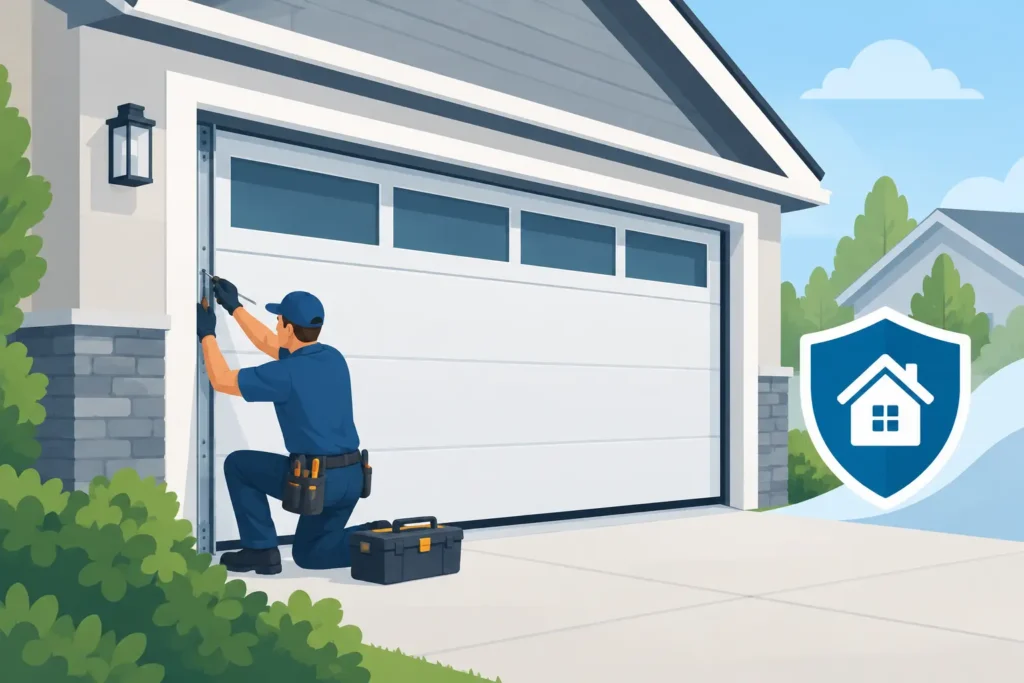
A professional installation typically begins with confirming measurements, headroom, side room, and clearance around the opening. The old door and hardware are removed carefully, then the new sections, tracks, rollers, and spring system are installed and aligned. The technician balances the door so it can move smoothly and checks that it remains properly positioned throughout its travel.
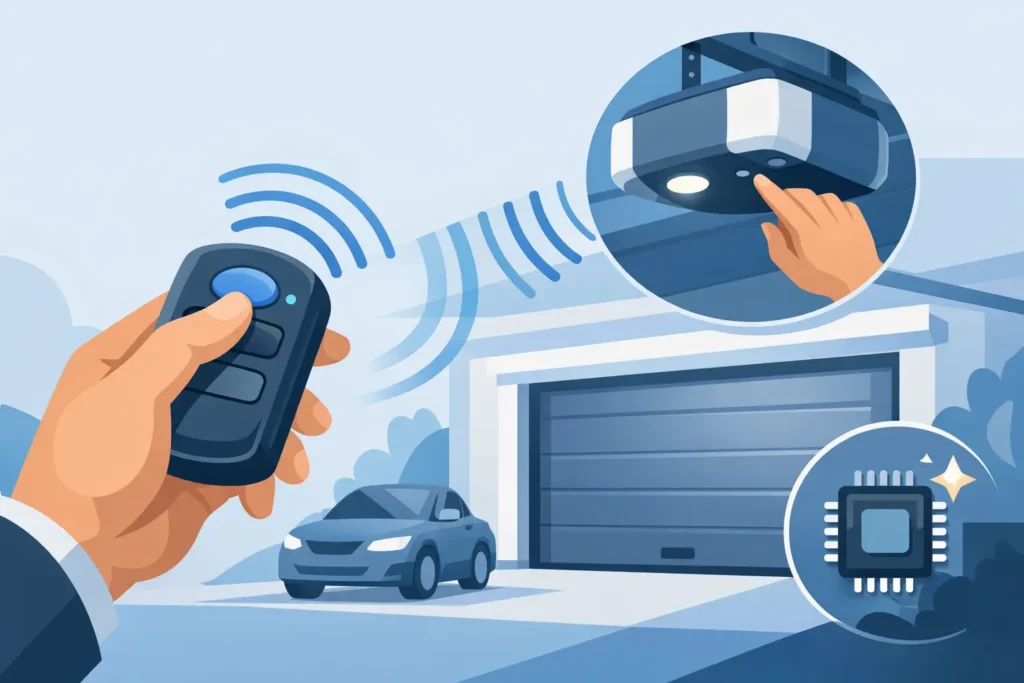
If an opener is part of the project, it should be matched to the door’s weight and use. The opener is then programmed, tested with the safety reversal system, and adjusted so the door opens and closes reliably. Photo-eye sensors need proper placement and alignment, especially in homes where leaves, snow, storage items, or active children can interrupt the sensor path.
At the end of the job, homeowners should understand the basics: how to use the wall control and remotes, how to test the safety features, where the emergency release is located, and what sounds or movements deserve a service call. Clear explanations are part of quality workmanship.
Do Not Treat Springs and Cables as DIY Work
Some home projects are good candidates for a capable homeowner. Garage door springs, cables, bottom brackets, and track adjustments are not among them. These components can store or transfer powerful force, and a mistake can cause serious injury or damage.
Even a door that appears simple can become dangerous when it is off track, unbalanced, or fitted with worn hardware. A door may also be heavier than expected once the opener is disconnected. If the current door is stuck, crooked, making a grinding sound, or hanging unevenly, stop using it and arrange service rather than forcing it open or closed.
Professional installation also helps avoid quieter problems that show up later. Tracks that are slightly out of alignment, springs that are not correctly calibrated, or an opener that is not set for the door can shorten the life of the entire system. Getting the setup right from day one protects the investment.
Plan for the Opener and Everyday Convenience
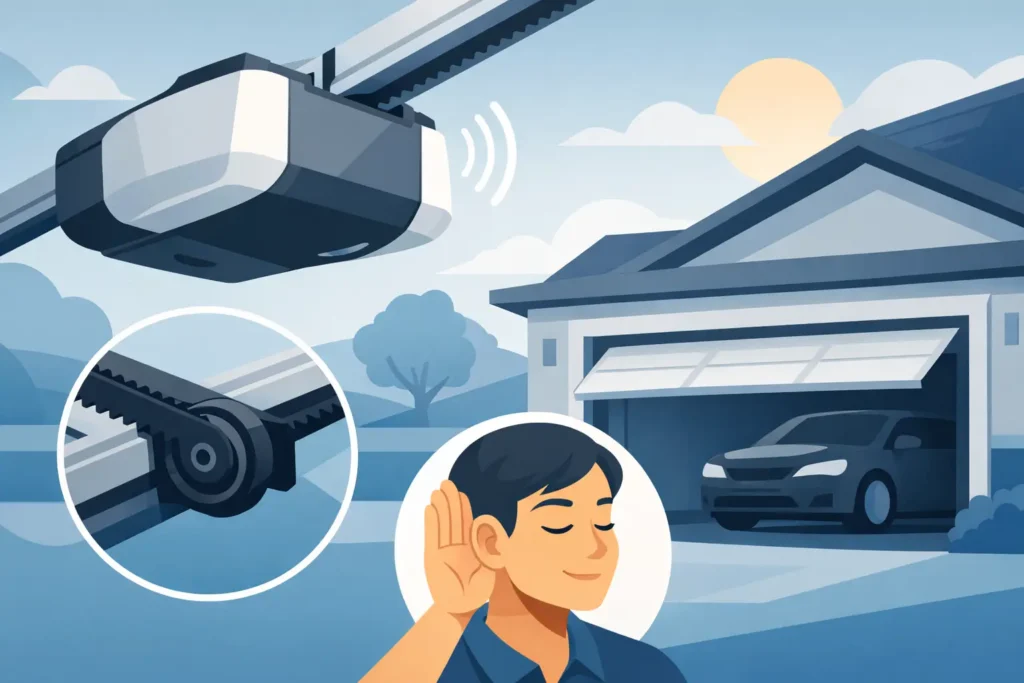
A new door is often the right time to evaluate the opener. Older openers may still operate, but they can be loud, lack modern safety features, or struggle with a heavier insulated door. A belt-drive opener is often a good fit for attached garages because it generally runs more quietly. Chain-drive models can be a durable, practical option where noise is less of a concern.
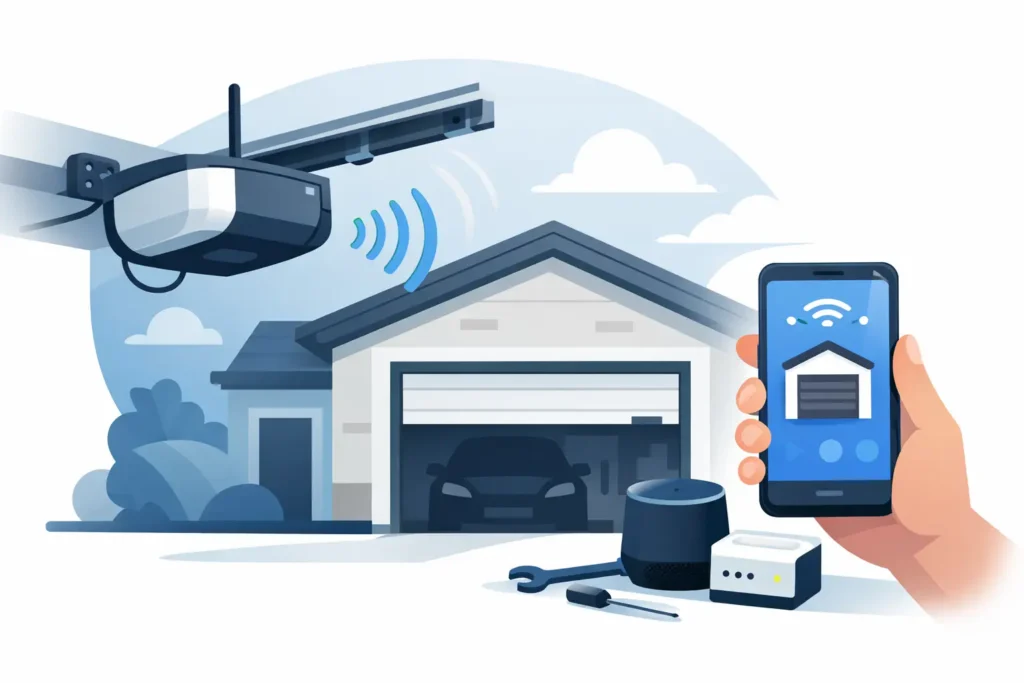
Many homeowners also appreciate app-enabled controls that allow them to check door status, receive alerts, or open and close the door from a phone. These features can be useful when family members arrive at different times, packages are delivered, or you cannot remember whether the garage was closed after leaving home.
Convenience should not replace basic security. Keep remotes out of visible areas in parked cars, use a strong account password for connected controls, and make sure the emergency release is accessible without being exposed to easy outside access. A good installer can explain options without overcomplicating the system.
Preparing Your Home for Installation Day
A little preparation helps the work move efficiently and safely. Clear vehicles, storage bins, tools, and other belongings away from the garage door area. Make room along the side walls and near the opener location, and move fragile items that could be affected by vibration or falling dust.
If your garage has a vehicle that cannot be moved, mention that before scheduling. It may affect the work plan. Homeowners should also arrange access to an electrical outlet if an opener is being installed and keep pets and children away from the work area until testing is complete.
Weather can influence timing, particularly during a Massachusetts winter. Experienced technicians can work in many conditions, but extreme weather may affect safe removal, sealing work, or travel. A reliable service company will communicate clearly if a schedule needs to change.
Protect the New Door With Simple Maintenance
A properly installed door still needs occasional attention. Every few months, watch the door through a full opening and closing cycle. Look for jerky movement, rubbing, unusual vibration, frayed cables, loose hardware, or a door that reverses unexpectedly.
Keep the sensor lenses clean and make sure nothing blocks their line of sight. Do not apply heavy grease to tracks, which can collect debris and interfere with operation. Professional preventative maintenance is the better way to inspect springs, rollers, bearings, cables, and balance safely.
A new garage door should provide confidence every time you leave for work, arrive home in bad weather, or close up for the night. When the door, hardware, and opener are selected carefully and installed by trained professionals, it becomes one less thing to worry about. Patriot Garage Door is ready to help homeowners make that decision with straightforward guidance and workmanship built to last.
Need Help With Your Garage Door?
From broken springs and opener issues to repairs and new installations, Patriot Garage Door provides dependable service when you need it.