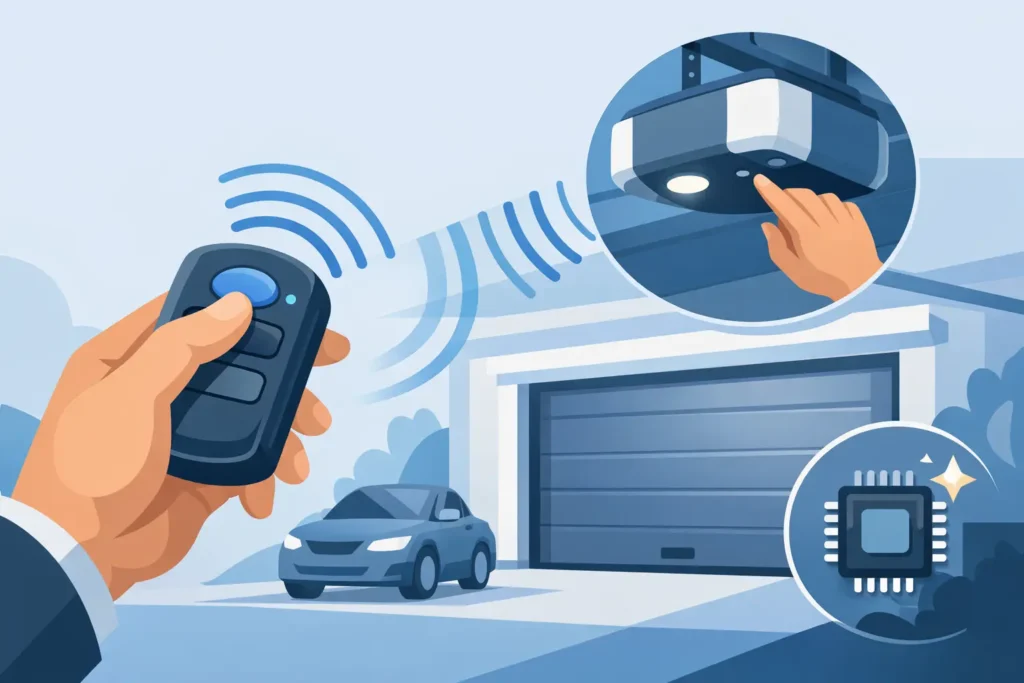
A garage door opener usually gets attention at the worst possible time: when the door will not close before work, the remote stops responding in the rain, or the motor starts straining loud enough for the whole house to hear. Comparing door opener brands before that moment can help you choose a unit that fits your door, your routine, and the level of support you expect after installation.
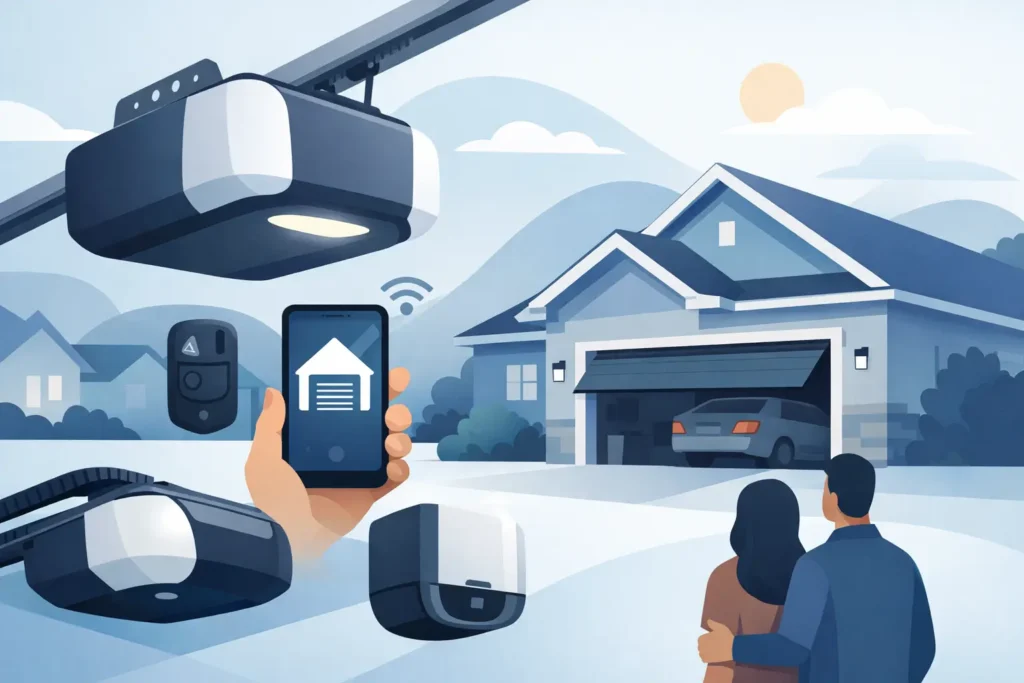
Brand matters, but it is not the only thing that matters. A well-made opener installed correctly on a balanced garage door will typically give better service than a premium model attached to worn springs, bent tracks, or a door that is too heavy to lift properly. The right choice comes down to the opener type, the door’s size and condition, desired features, and access to qualified local service when something needs attention.
What separates good door opener brands
The best-known opener manufacturers have earned their reputations in slightly different ways. Some focus on smart-home convenience. Others are known for quiet operation, commercial-grade components, or a broad range of replacement parts. For a homeowner, the practical question is simple: will this opener operate safely and reliably for your household?
A dependable opener should have a properly functioning safety reversal system, photo-eye sensors near the floor, a strong rail and drive system, and controls that are easy to use. Modern models may also include battery backup, integrated LED lighting, app control, delivery access, and diagnostic alerts. Those features are useful, but they should not distract from the basics: the opener must be correctly matched to the garage door and installed with care.
Service support is another difference worth considering. An opener can have excellent features on paper, yet be frustrating if compatible remotes, sensors, control boards, or replacement parts are hard to obtain. Choosing a recognized brand with established support often makes future repairs more straightforward.
Major door opener brands and where they fit
Several brands are common in residential garages across Massachusetts. Each can be a good fit in the right situation, provided the opener is genuine, properly installed, and compatible with the door.
LiftMaster
LiftMaster is often selected for homeowners who want durable hardware, strong safety features, and a broad selection of belt-drive, chain-drive, jackshaft, and smart-enabled models. Many LiftMaster units are professionally installed, which can be appealing when you want a technician to assess the full garage door system rather than simply replace the motor.
Belt-drive LiftMaster models are a frequent choice for garages below bedrooms or living space because they run more quietly than traditional chain-drive openers. Battery backup and smartphone control are available on many models. The trade-off is that feature-rich units and professional installation may cost more upfront than a basic opener. For many households, that additional investment makes sense when quiet operation, dependable access, and long-term support are priorities.
Chamberlain
Chamberlain is widely recognized for homeowner-friendly garage door openers, particularly models with built-in smart control. The brand often appeals to people who want to check door status from their phone, receive activity alerts, or close the garage remotely after leaving home.
Chamberlain openers can be a practical choice for standard residential doors, especially when smart convenience is high on the list. Before selecting one, confirm that the power level and drive type match your door. A larger insulated door, solid wood door, or oversized door may need a more specialized solution than an entry-level unit provides.
Genie
Genie has long been a familiar name in residential garage door openers. Its product line includes traditional chain-drive models, quieter belt-drive options, wall-mounted openers, and smart-connected units. Genie is often considered by homeowners looking for a solid balance of recognizable brand support and practical features.
The best Genie model depends on the garage setup. A standard attached garage may benefit from a quiet belt drive, while a detached garage with no living space overhead may make a chain-drive opener perfectly reasonable. The important part is not paying for features you will never use or, just as importantly, choosing a unit that lacks the lifting capability and safety equipment your door requires.
Craftsman
Craftsman garage door openers are still found in many homes, particularly in garages with older equipment. Their availability and familiar name can make them an appealing replacement option for homeowners who want a straightforward setup.
If you are replacing an older Craftsman unit, do not assume a new opener will use the same remote, keypad, or safety sensors. Technology and compatibility change over time. A professional inspection can clarify whether any existing accessories can remain in service and whether the door itself needs adjustment before the new opener goes in.
Commercial and specialty opener options
For heavier doors, high-lift tracks, carriage-house doors, or commercial applications, the best answer may be a specialty or commercial-grade operator rather than a typical residential ceiling-mounted opener. Wall-mounted jackshaft openers can also be an excellent option where ceiling clearance is limited or a homeowner wants to free up overhead storage space.
This is where brand comparisons become less useful than an on-site evaluation. Door weight, track configuration, spring condition, headroom, and daily cycle count all affect what will work safely. An opener should assist a properly balanced door, not force an improperly functioning door to move.
Choose the drive system before getting attached to features
The drive system has a major effect on noise, maintenance, and cost. Chain-drive openers use a metal chain and are known for strength and value, but they are generally louder. They can be a sensible choice for detached garages or homeowners whose main concern is a dependable, budget-conscious replacement.
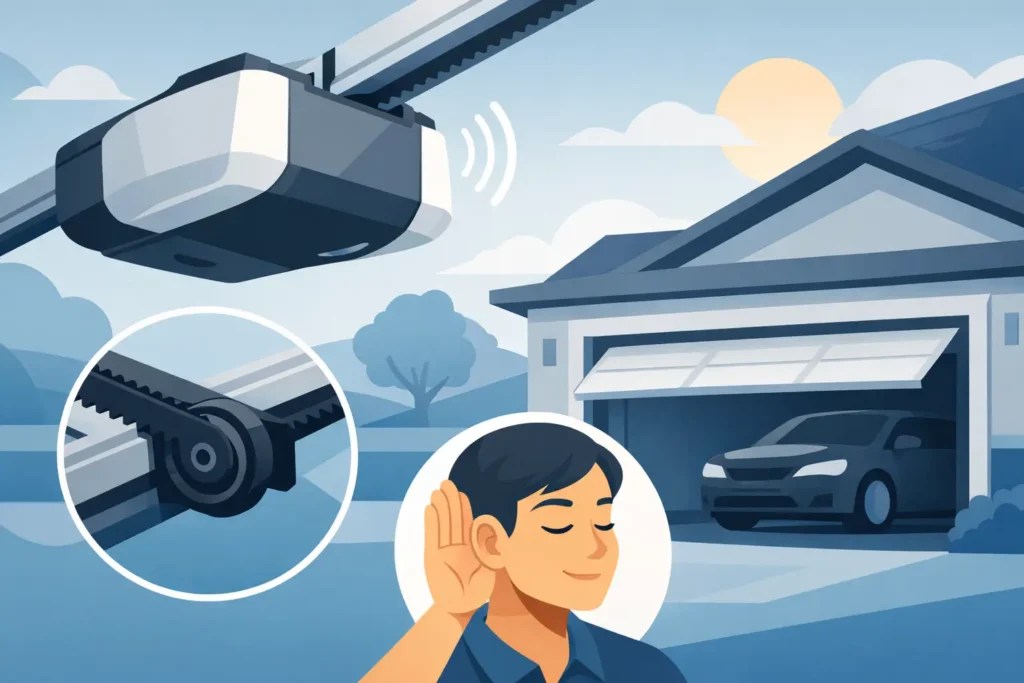
Belt-drive openers use a reinforced belt and are typically much quieter. They are often worth considering for attached garages, especially if there is a bedroom or family room nearby. The higher initial cost can be justified by reduced vibration and a less disruptive daily routine.
Screw-drive systems have fewer moving parts but can be more sensitive to temperature swings and maintenance needs, depending on the model. Jackshaft openers mount beside the door rather than overhead. They save ceiling space and can be very quiet, but they require the proper door setup and adequate side clearance.
No brand can overcome the wrong drive system for the application. A clear conversation about where the garage is located, how often the door operates, and what bothers you most about the current setup is more valuable than choosing based on a product name alone.
Smart features should solve a real problem
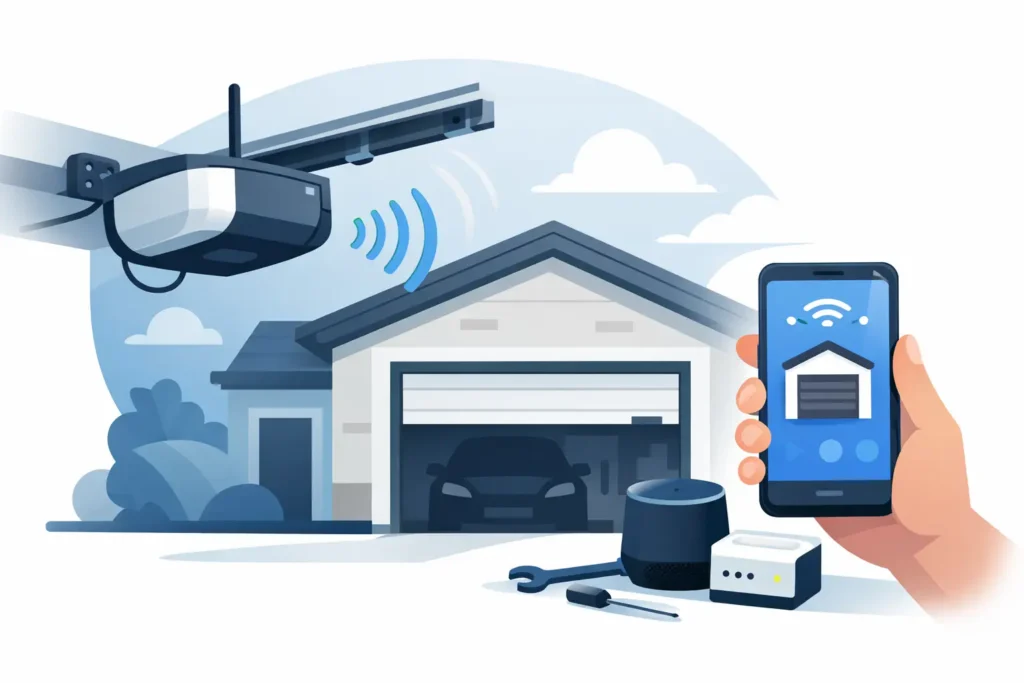
App-enabled openers are helpful when they give you useful control rather than another notification to ignore. For busy households, being able to confirm that the garage is closed can provide real peace of mind. Temporary access controls can also be useful for family members, service providers, or deliveries.
Battery backup is another feature that deserves serious consideration, particularly for homes where the garage is the primary entry point. During a power outage, a backup battery can allow normal operation for a limited period. It does not eliminate the need to know how to use the manual release, but it can make an inconvenient situation much easier.
Other worthwhile features include motion-activated lighting, exterior keypads, vehicle compatibility, and integrated cameras. Still, smart features require a stable Wi-Fi connection and occasional app or account maintenance. If you prefer simple, dependable operation, a quality opener with reliable remotes and safety sensors may be the better fit.
Installation quality protects your investment
An opener replacement is not just a matter of hanging a motor and programming a remote. The technician should inspect the springs, cables, rollers, tracks, hinges, door balance, and safety sensors. Problems in those components can make a new opener noisy, unreliable, or unsafe.
A garage door that feels heavy when disconnected from the opener may have a spring issue. A door that binds, shakes, or comes off track needs repair before a new operator is expected to run it. Trying to make the opener compensate for those issues can shorten its life and increase the risk of a more expensive failure.
When comparing estimates, ask what is included. A clear quote should address the opener model, installation labor, removal of the old unit, required safety hardware, programming, and any recommended repairs to the door system. Honest recommendations distinguish necessary work from upgrades that are simply optional.
Make the choice based on your garage, not the label
The best opener brand for a quiet attached garage may not be the best one for a heavy custom door or a high-use commercial bay. Start with the condition of your door, then consider drive type, power needs, convenience features, and future serviceability.
If your current opener is noisy, unreliable, or no longer meeting your household’s needs, a qualified garage door technician can explain the practical options without pushing an unnecessary replacement. A properly selected and installed opener should make coming home feel simple, safe, and dependable – the way it should be.
Need Help With Your Garage Door?
From broken springs and opener issues to repairs and new installations, Patriot Garage Door provides dependable service when you need it.