A garage door sticking is more than an everyday annoyance, especially when it leaves your car trapped, prevents the door from securing, or makes a loud scraping sound on the way up. The cause may be as simple as debris in the track, but a sticking door can also point to a worn roller, failing opener, damaged cable, or spring issue. Knowing the difference helps you avoid making a manageable repair worse.
What Does a Sticking Garage Door Usually Mean?
A garage door should travel smoothly from fully closed to fully open, without hesitating, jerking, rubbing, or reversing unexpectedly. When it sticks, one part of the system is usually creating resistance or the door has become unbalanced. Because a typical residential garage door is heavy, even a small alignment problem can put added strain on the opener, rollers, tracks, and springs.
The point where the door sticks offers a useful clue. A door that binds near the floor may have a track obstruction, a frozen threshold, or a damaged bottom seal. A door that sticks midway can have a bent track, worn roller, loose hardware, or balance problem. If it reaches the top but will not stay open, the springs may not be providing enough support.
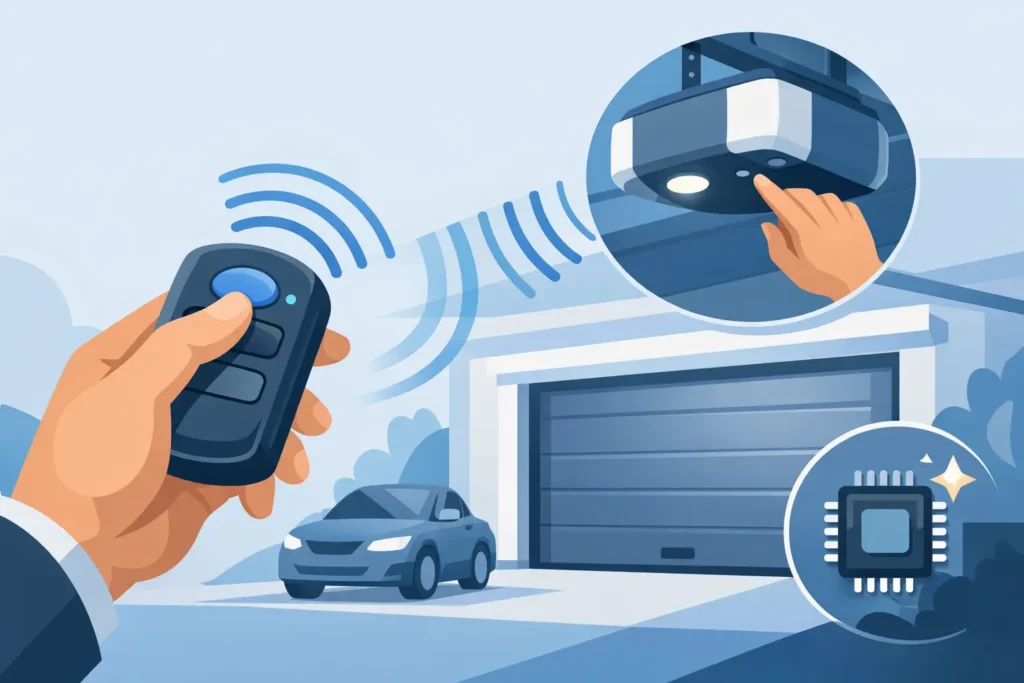
Do not assume the opener is the problem just because the remote stops working. The opener is designed to move a balanced door, not force a failing one through resistance. Continuing to run it can strip internal gears, damage the rail, or leave the door stuck in an unsafe position.
Safe Checks to Make Before Scheduling Service
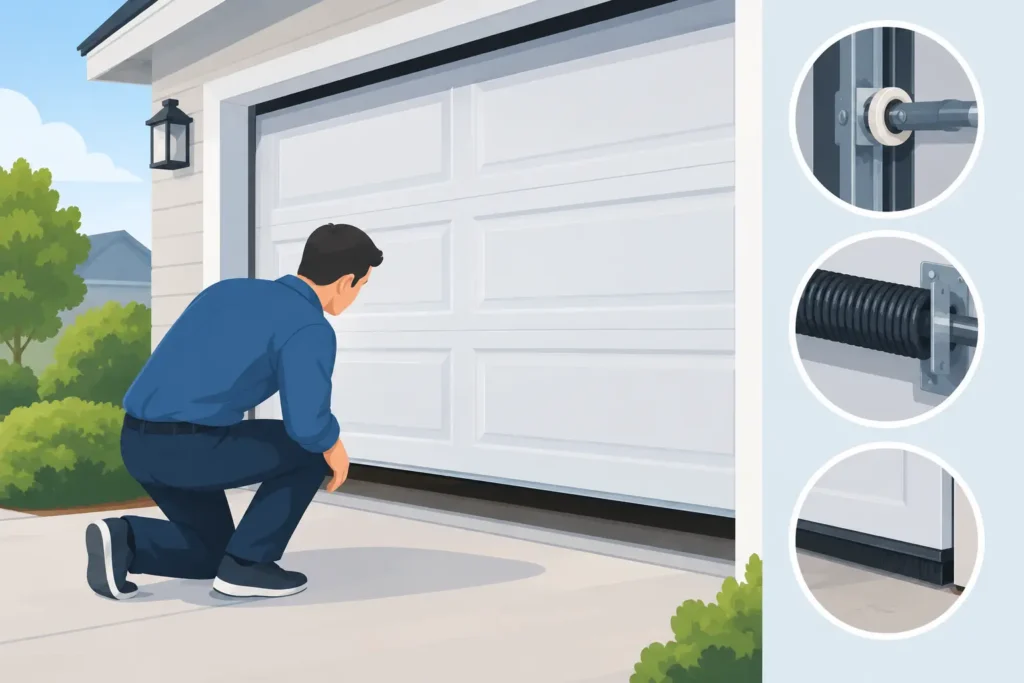
Start with the simple, visible issues. With the door closed and the opener turned off or unplugged, look along both tracks for leaves, gravel, packed dirt, tools, or other debris. In Massachusetts, winter slush, road salt, and ice can also build up around the bottom seal and track area. Clear only what you can safely reach from the ground.
Next, inspect the tracks for obvious dents, gaps at the mounting brackets, or signs that one side has shifted. Look at the rollers as well. Cracked nylon rollers, chipped wheels, or rollers that sit crookedly in the track can cause binding and noise. You can also check for loose bolts on the track brackets, but avoid making broad adjustments unless you know exactly how the system is aligned.
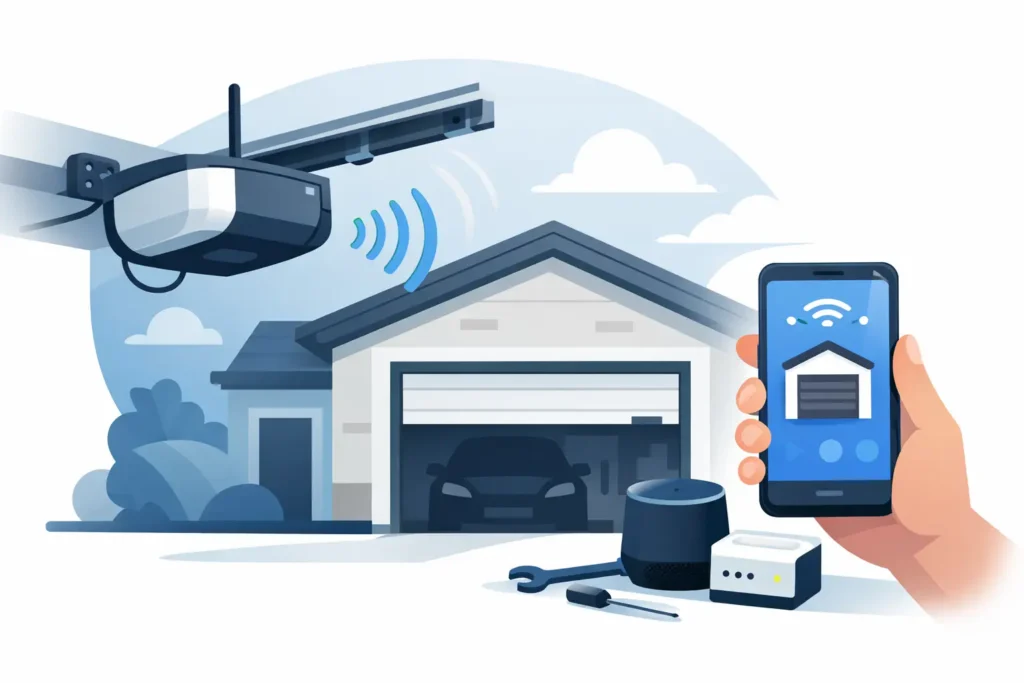
If your door has an automatic opener, check the photo-eye sensors near the bottom of each side of the opening. Wipe the lenses with a soft cloth and make sure nothing blocks their path. Misaligned sensors more often cause a door to reverse than stick, but they can create confusing symptoms that seem similar.
A dry garage door can also drag or squeal. A garage-door-specific lubricant applied lightly to rollers, hinges, and bearings may help. Do not use heavy grease on the tracks. Grease attracts dust and grit, which can make a sticking problem worse over time. Lubricant is maintenance, not a fix for bent metal, a damaged spring, or a door that is off track.
Common Reasons for Garage Door Sticking
Dirty, Bent, or Misaligned Tracks
Tracks guide the rollers, so they need to remain clean, secure, and properly spaced. A small dent can catch a roller at the same spot every time. A harder impact, such as backing into the door or hitting a track with stored equipment, may shift the track enough to make the door bind.
Track issues are sometimes repairable without replacement. It depends on the severity and location of the damage. A technician can often realign a loose track or address a minor bend, while a severely crushed or twisted section should be replaced for reliable operation.
Worn Rollers and Hinges
Rollers carry the door through its travel path. As they age, they can become noisy, worn flat, cracked, or slow to turn. Hinges can also wear and develop excess play. These problems may begin as a squeak or slight shudder, then progress until the door sticks at certain points.
Replacing worn rollers can make a major difference in how quietly and smoothly a door operates. The right replacement depends on the door weight, track style, and the condition of the rest of the system. It is often wise to have the hinges, bearings, and track alignment inspected at the same time rather than replacing one worn part in isolation.
A Door That Is Out of Balance
A properly balanced door should feel surprisingly manageable when disconnected from the opener. If the door feels extremely heavy, slams down, or will not remain partway open, the springs may be worn, broken, or improperly adjusted. This is one of the most important reasons a garage door may stick or strain during operation.
Garage door springs are under significant tension. Never attempt to adjust, remove, or replace torsion springs, extension springs, lift cables, or bottom brackets yourself. These components can release force suddenly and cause serious injury or property damage. A trained technician has the proper tools and procedures to test balance and restore safe spring tension.
Damaged Cables or a Door Off Track
If one side of the door rises higher than the other, a cable may be loose, frayed, or out of position. You may notice a roller sitting outside the track, a visible gap between the door and the frame, or a door hanging unevenly. Stop using the opener immediately if you see any of these signs.
Trying to force an off-track door closed can bend panels, damage the tracks, and turn a focused repair into a larger replacement project. Keep people and vehicles away from the opening until the door has been professionally secured.
Opener Settings or Mechanical Wear
When the door moves freely by hand but sticks only under opener power, the issue may be with the opener itself. Worn drive gears, a failing motor, a damaged rail, or incorrect travel and force settings can all affect movement. An opener may also reverse because it senses resistance before the door reaches the floor.
This is not a situation for repeatedly increasing the force setting. That adjustment is meant for fine tuning after the door is confirmed to be in good mechanical condition. Raising it to overpower resistance can defeat a safety feature and place more stress on the door system.
When a Sticking Door Is an Urgent Repair
Some garage door problems can wait for a convenient appointment. Others should be addressed promptly. Stop operating the door and arrange professional service if you hear a loud bang, see a broken spring, find a loose or frayed cable, notice the door is crooked, or see a roller outside the track.
You should also call for help if the door will not close and your garage cannot be secured. If possible, avoid leaving the door partially open overnight. A compromised garage door affects more than convenience. It can expose your home, belongings, and attached living space to weather and unwanted access.
If the door is stuck closed and you need to leave, do not try to lift it with the opener still connected. If it is safe and you are familiar with your emergency release, disconnecting the opener may help only when the door is balanced and the springs are intact. A heavy or unstable door should not be lifted alone.
Preventing Garage Door Sticking Before It Starts
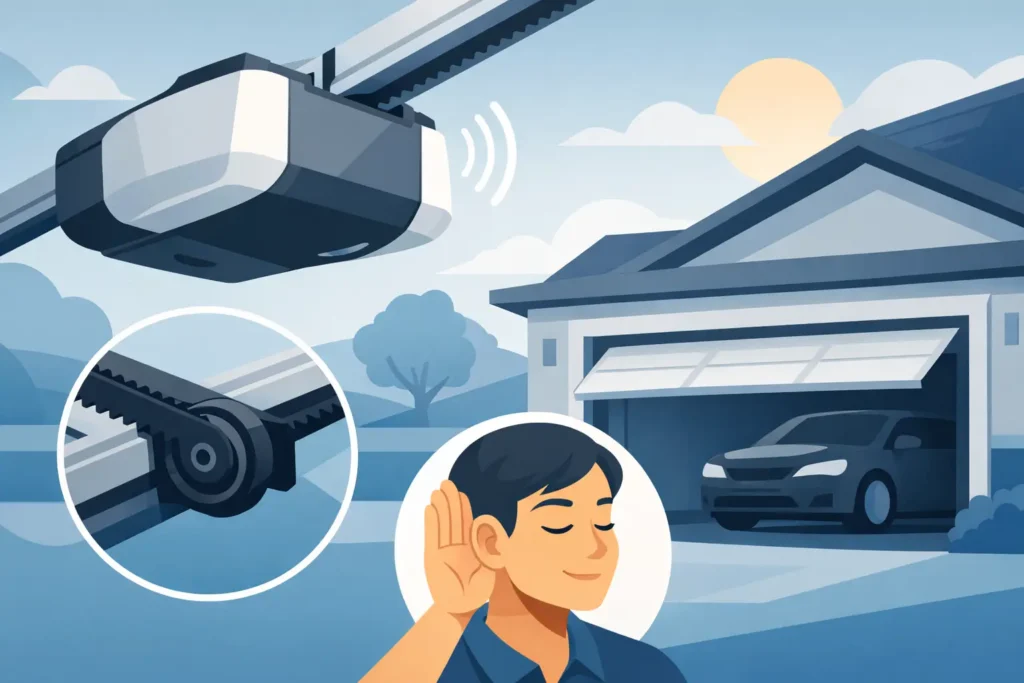
Most sticking issues develop gradually. A short visual check every few months can catch problems before the door stops moving. Listen for new grinding, popping, or scraping sounds. Watch the door from a safe distance as it travels and look for shaking, uneven movement, or a gap developing along one side.
Keep the tracks clear, wipe the photo eyes clean, and lubricate moving metal parts with an appropriate garage door lubricant. Avoid hanging heavy items from the tracks or storing ladders and tools where they can strike the door hardware. After a vehicle impact, even if the door still opens, have the system inspected for hidden track, panel, or alignment damage.
Professional preventative maintenance is especially valuable for doors that operate several times each day, protect an attached garage, or are nearing the later years of their expected service life. A technician can check balance, spring condition, roller wear, cables, fasteners, opener safety settings, and the overall condition of the door before a small issue becomes an inconvenient failure.
A sticking garage door deserves a careful response, not a forced one. Clear the simple obstructions you can safely identify, then let a qualified professional diagnose anything involving springs, cables, tracks, or an uneven door. Patriot Garage Door provides straightforward recommendations and dependable repairs so Massachusetts homeowners can get back to a door that opens smoothly, closes securely, and works the way it should.
Need Help With Your Garage Door?
From broken springs and opener issues to repairs and new installations, Patriot Garage Door provides dependable service when you need it.