A garage door can look fine right up until the morning it will not open. That is why homeowners often ask, do garage doors need annual inspections? For most homes, the answer is yes. A yearly professional inspection is a practical way to catch worn parts, safety issues, and developing opener problems before they leave your car trapped in the garage or your home less secure.
Your garage door is one of the largest moving systems in the house. It may open and close several times a day, carrying hundreds of pounds through springs, cables, rollers, tracks, and an opener. Those components work together under tension. When one begins to wear out, the added strain can affect the rest of the system.
Why annual garage door inspections make sense
Annual inspections are not about replacing parts that still have useful life. They are about getting an honest look at the condition of the whole system and addressing issues while repairs are usually simpler and less expensive.
A technician can spot problems that are easy to miss during everyday use, such as a fraying cable, a weakening spring, loose track hardware, or rollers that no longer move smoothly. A door may still operate, but it may be putting extra stress on the opener every time it moves. Waiting until it fails can turn a small maintenance visit into an urgent repair.
There is also a safety reason. Garage door springs and cables hold significant tension, and modern openers rely on properly functioning safety sensors and reversing features. If the door does not reverse when it should, closes unevenly, or has damaged cables or hardware, it should be checked promptly rather than treated as a minor inconvenience.
For Massachusetts homeowners, seasonal changes can add to the wear. Cold temperatures can affect lubricants and moving parts, while moisture, road salt tracked into the garage, and repeated freeze-thaw cycles can contribute to corrosion or binding. An annual visit gives the system a chance to be adjusted for reliable use before a small issue becomes a cold-weather emergency.
What a professional annual inspection includes
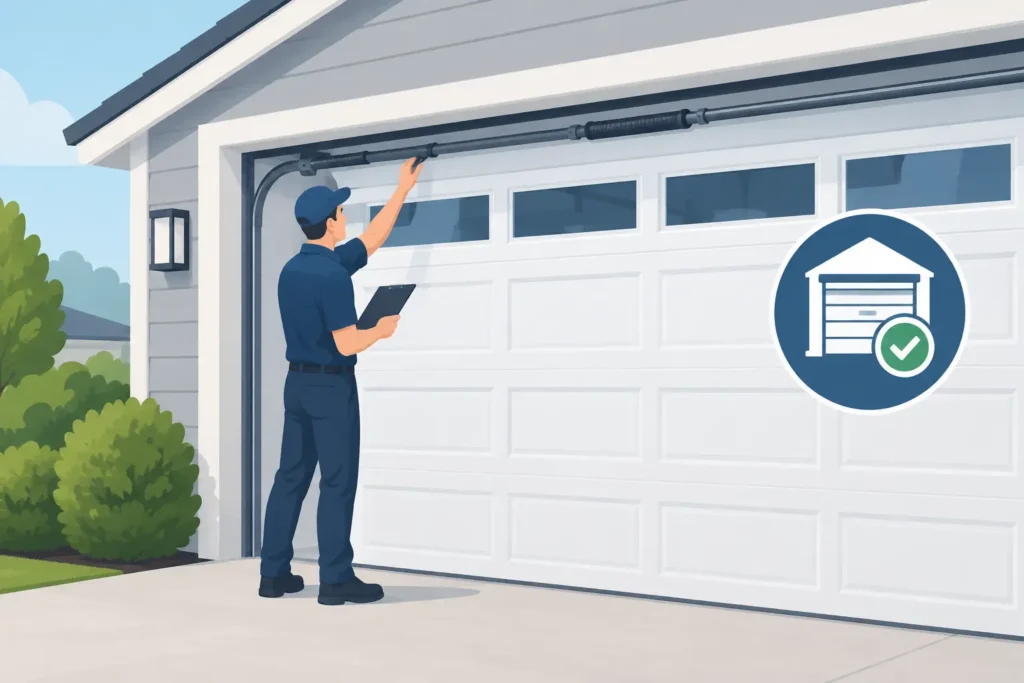
A thorough inspection looks beyond whether the remote opens the door. The technician should evaluate how the door moves, how it balances, and whether every major component is doing its job safely.
The process typically starts with a visual inspection of the panels, hinges, tracks, rollers, brackets, cables, and fasteners. Dented panels, cracked hinges, loose hardware, bent tracks, and rust are all worth noting. Cosmetic damage is not always urgent, but structural damage can affect alignment and operation.
The door balance is especially important. With the opener disconnected and the door operated manually, a properly balanced door should stay near the halfway point without racing upward or dropping toward the floor. If it does not, the springs may need adjustment or replacement. Springs should only be serviced by a trained professional. They are under high tension and can cause serious injury if handled incorrectly.
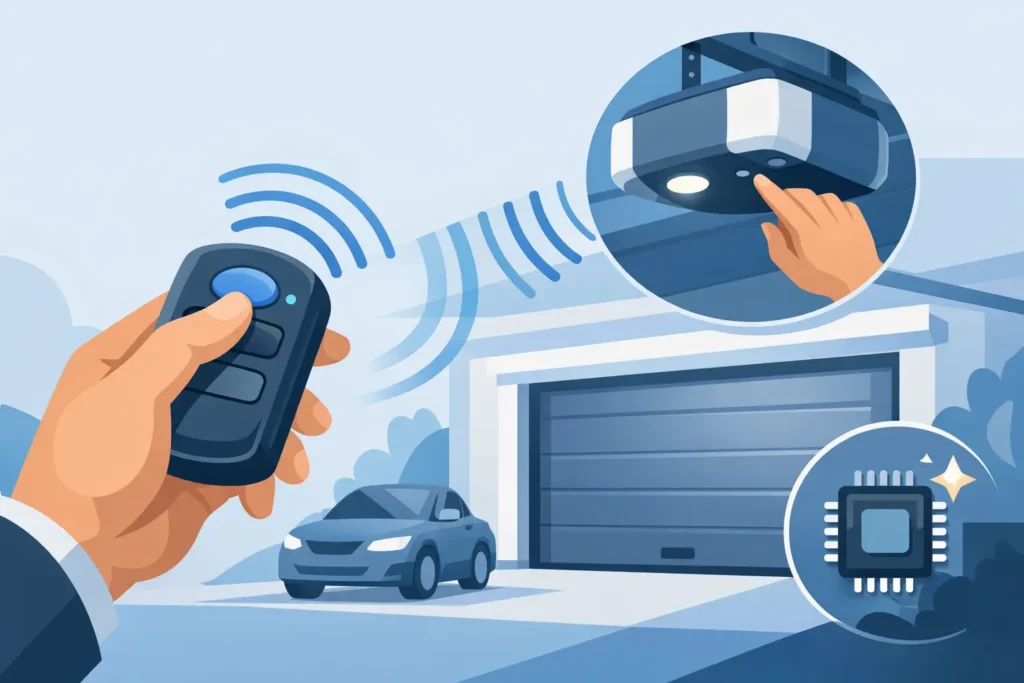
A technician should also inspect the opener, chain or belt, drive system, mounting hardware, wall control, remotes, and backup battery if the unit has one. The photo-eye sensors need to be aligned, clean, and mounted correctly. The auto-reverse feature should be tested so the door stops and reverses when it encounters an obstruction.
Finally, moving parts may be lubricated where appropriate, and minor adjustments can be made to improve travel, reduce noise, and prevent uneven wear. Lubrication helps, but it is not a cure for worn springs, damaged rollers, or an unbalanced door. Good maintenance includes knowing the difference.
Does every garage door need service every year?
Most residential doors benefit from an annual inspection, especially if the garage is used as the primary entrance to the home. A door that cycles multiple times each day has more wear than one used occasionally for storage, so high-use doors may deserve attention twice a year.
A newer door with light use may not need repairs at every annual visit. That is still valuable information. A qualified technician can confirm that the door is balanced, safe, and in good condition without recommending unnecessary replacement.
Commercial doors, oversized doors, and doors in busy multi-car households often need a more frequent maintenance schedule. The same is true for doors exposed to heavy weather, frequent moisture, or visible corrosion. Usage and condition matter more than a calendar date alone.
Signs you should not wait for an annual inspection
Routine maintenance is useful, but certain symptoms call for service now. Do not keep operating the door repeatedly in hopes that the issue will correct itself. Continued use can damage the opener or create a safety risk.
Schedule service promptly if you notice any of the following:
- The door is unusually loud, jerky, slow, or shaky while moving.
- It opens unevenly, hangs crooked, or comes off its tracks.
- The opener hums but the door does not move.
- The door reverses unexpectedly or will not reverse when it should.
- Cables appear loose, frayed, or out of place.
- A spring is visibly broken, or you hear a loud bang from the garage.
- The door will not close fully, leaving your garage and home unsecured.
A broken spring is a common example. The opener may still make noise, but it is not designed to lift the full weight of the door by itself. Forcing it to do so can burn out the motor or damage other components. Leave the door alone when possible and arrange a professional repair.
What homeowners can check between service visits
You do not need to take apart your garage door to help it last. A few simple observations can make you more aware of changes before they become failures.
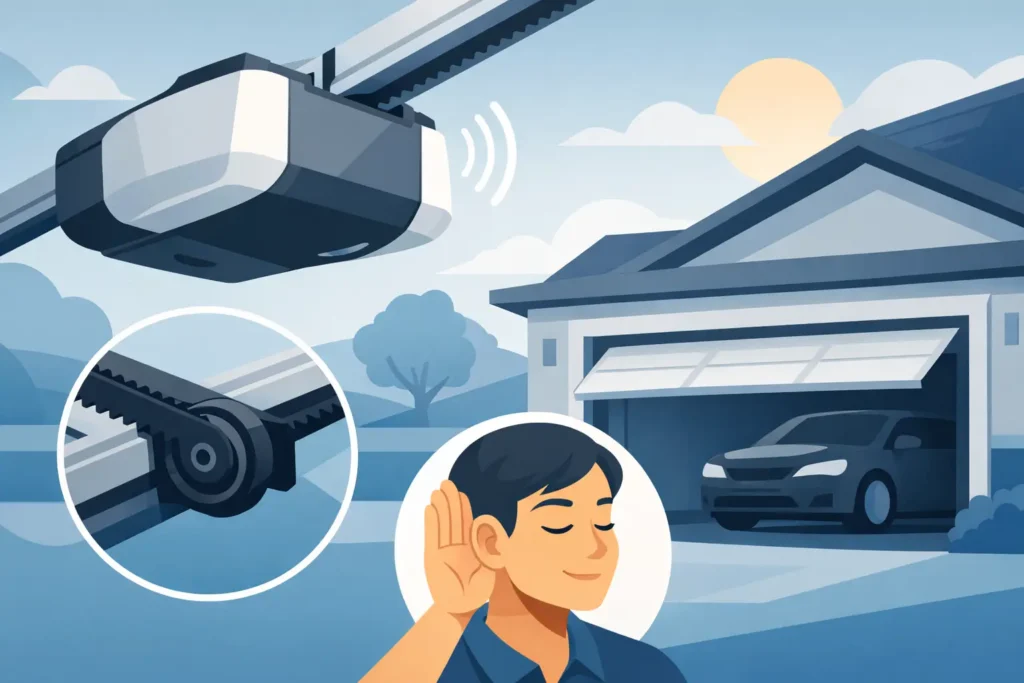
Once a month, watch the door complete a full opening and closing cycle. Listen for scraping, grinding, popping, or squealing. Look for shaking, gaps, or movement that seems uneven. Keep the sensor lenses clean and make sure nothing is blocking their path near the floor.
You can also check that remotes, keypad controls, and the wall button work consistently. Replace remote batteries as needed, and make sure family members understand not to stand, walk, or play beneath a moving door. Never pull on cables, loosen spring hardware, or attempt to adjust a torsion spring yourself.
Keeping tracks free of loose debris is reasonable, but avoid applying heavy grease to them. Grease can collect dirt and interfere with smooth roller movement. If the door is noisy or sticking, it is better to have the cause diagnosed than to cover it up with a household lubricant.
The value of preventative maintenance
The best time to address a garage door problem is before it becomes an emergency. A planned inspection gives you options. You can decide whether a worn roller, aging weather seal, or noisy opener component should be repaired now or monitored for later, based on its condition and your budget.
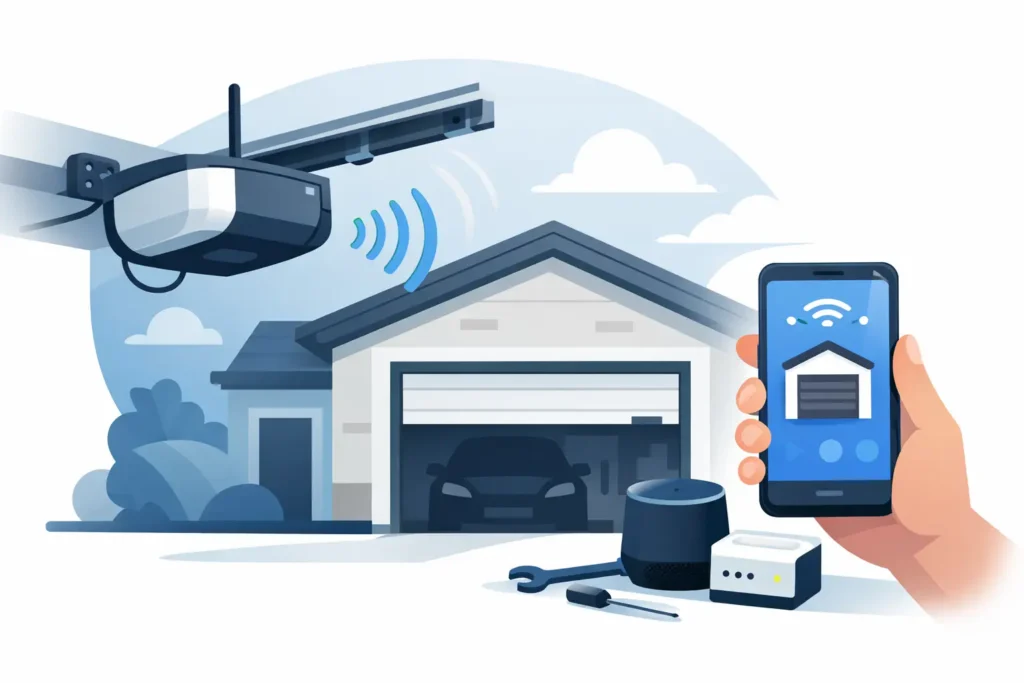
Preventative service also supports security and convenience. A garage door that closes completely, responds to its controls, and reverses safely helps protect the vehicles, tools, and entry points connected to your home. If you use an app-enabled opener, a service visit is also a good time to make sure its controls and safety features are working as intended.
Patriot Garage Door approaches maintenance with straightforward recommendations: repair what needs attention, explain why it matters, and avoid pushing a full replacement when a dependable repair will do the job. That is the kind of service homeowners should expect from any garage door professional.
If your door has not been inspected in the past year, or it has started making a new noise, schedule a professional check before the next busy morning exposes the problem for you.
Need Help With Your Garage Door?
From broken springs and opener issues to repairs and new installations, Patriot Garage Door provides dependable service when you need it.