A garage door can take up a large part of your home’s front exterior, but its value goes well beyond curb appeal. It protects vehicles, tools, storage, and often a direct entrance into the house. The best garage door upgrades improve how that entire system looks, operates, and protects your family without pushing you into replacement work you do not need.
For some homeowners, the right improvement is a quieter opener or a safer set of photo-eye sensors. For others, an aging, uninsulated door is costing comfort in an attached garage or making the home look dated. A clear inspection of the door, springs, tracks, cables, and opener helps separate a worthwhile upgrade from a repair that can safely extend the life of your existing system.
How to Choose the Best Garage Door Upgrades
Start with the problem you want to solve. A door that reverses unexpectedly needs a safety and operation diagnosis before cosmetic upgrades. A door that works reliably but looks worn may benefit from new panels, windows, or hardware. If the garage is attached to the home, comfort and energy efficiency may carry more weight than they would for a detached storage garage.
Also consider the condition of the full system. New decorative hardware will not fix a door that is out of balance, and a powerful new opener cannot compensate for damaged tracks or weak springs. Honest recommendations should account for the age, weight, condition, and daily use of the door before any work begins.
1. Install a Smart Garage Door Opener
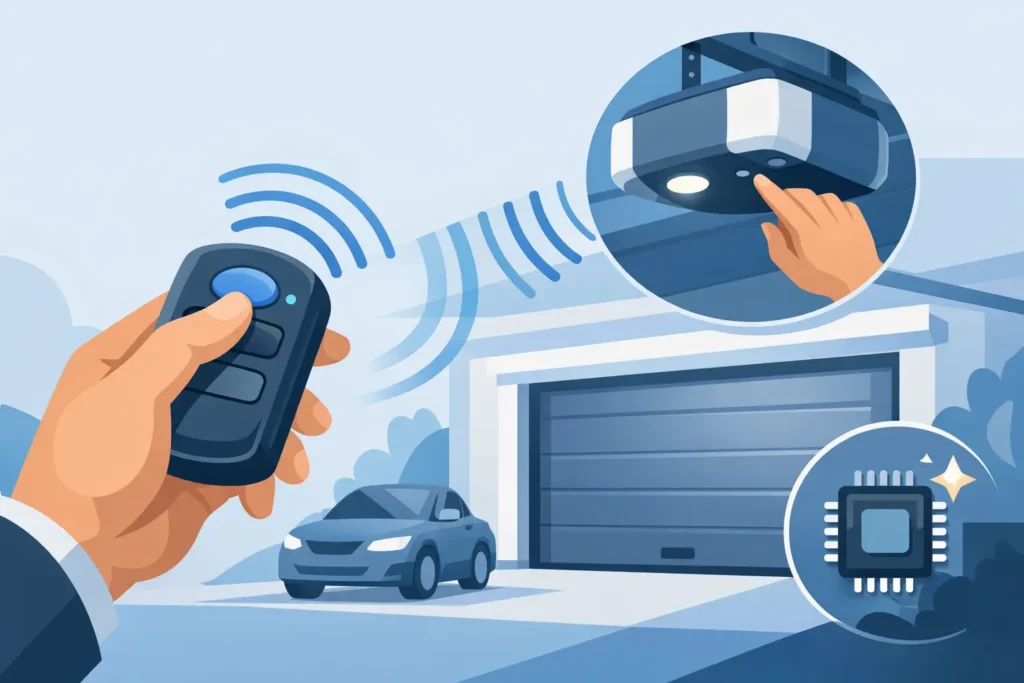
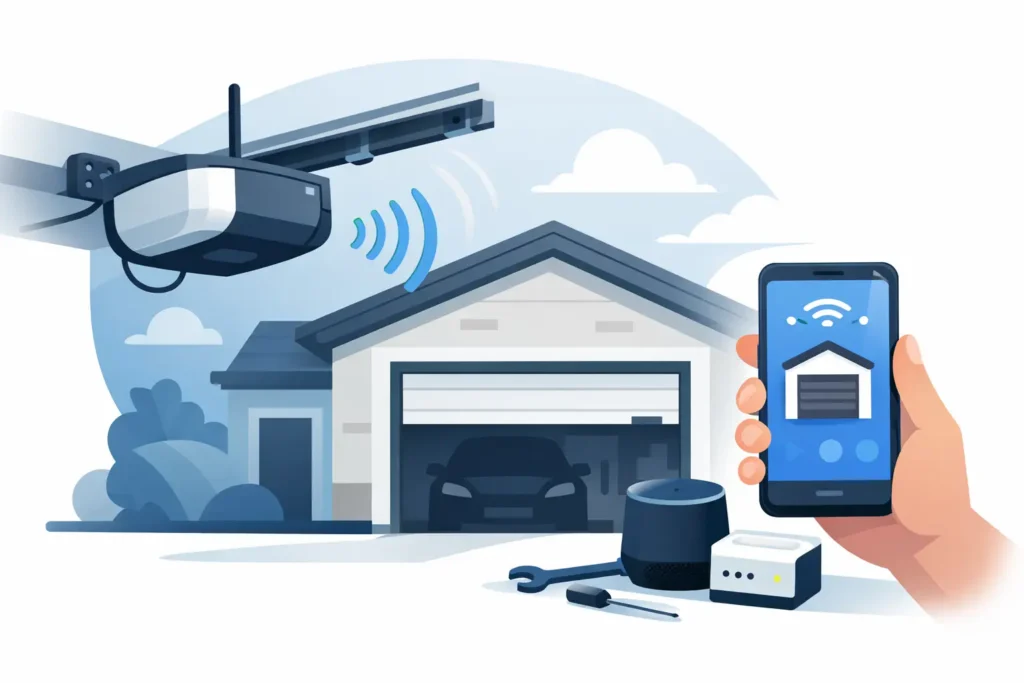
A smart opener is one of the most practical upgrades for busy households. App-enabled controls allow you to check whether the door is open, close it remotely, and receive activity alerts. That is useful when you are at work, away for the weekend, or simply cannot remember whether you shut the garage before leaving.
Many modern models also offer battery backup, which keeps the opener working during a power outage. In Massachusetts, that can be a meaningful convenience during storm season. Choose a quality opener with the right lifting capacity and features for your door, rather than selecting one based on app access alone.
2. Replace a Noisy Chain-Drive Opener
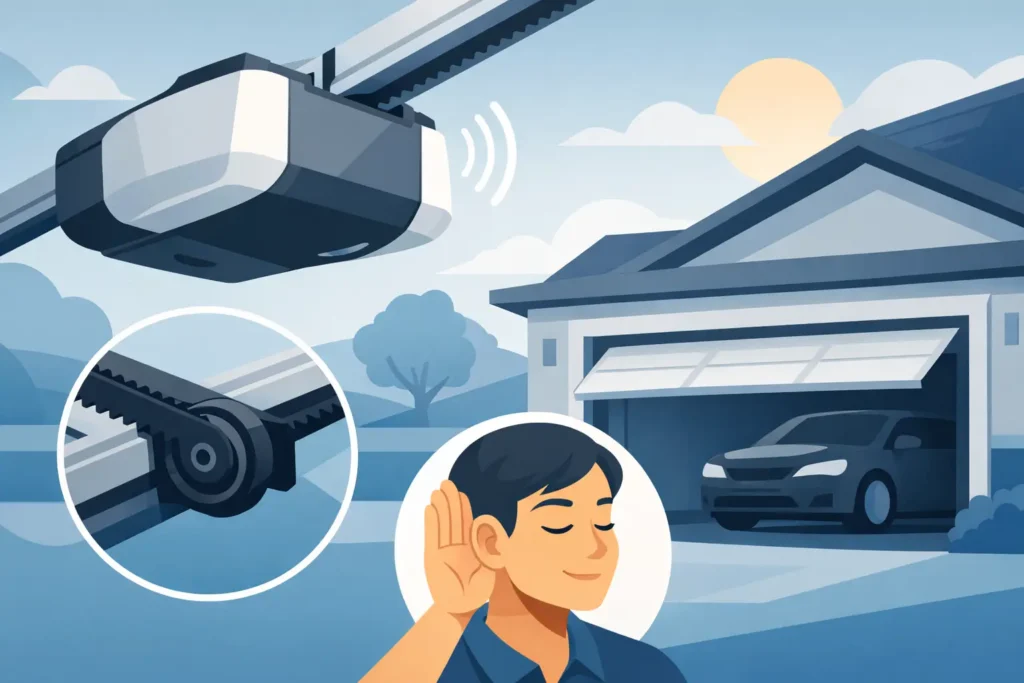
If bedrooms or living areas sit above or beside the garage, an older chain-drive opener can become a daily annoyance. Belt-drive openers generally run more quietly and with less vibration, making them a strong choice for attached garages. They also provide a smoother feel during operation.
A quiet opener is not always the answer to a loud door. Grinding, popping, squealing, or banging can point to worn rollers, loose hardware, poor lubrication, damaged tracks, or an unbalanced door. Address those conditions first so a new opener is not asked to work against an underlying mechanical problem.
3. Upgrade to an Insulated Garage Door
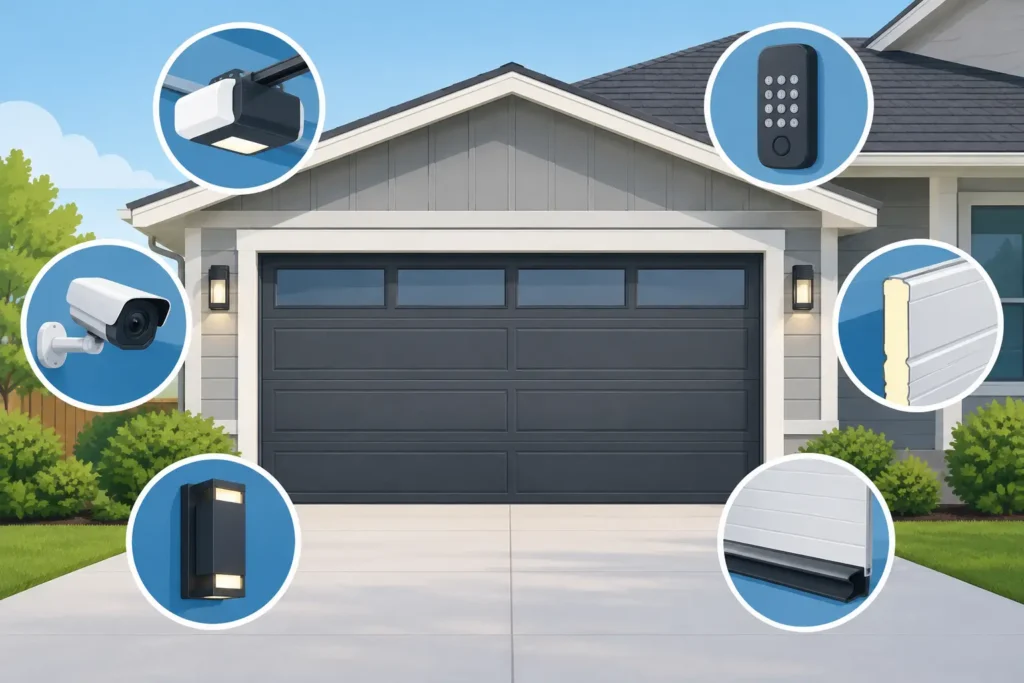
An insulated door can make an attached garage more comfortable and help reduce temperature transfer to rooms next to or above it. It also adds strength to the door sections and can reduce outside noise. Homeowners who use the garage as a workshop, fitness area, or frequently accessed storage space often notice the difference most.
The value depends on how the garage is built and used. Insulation will not turn an unconditioned garage into a heated living space, especially if the walls, ceiling, and air gaps remain uninsulated. Still, replacing a thin, aging door with an insulated model can be a sensible long-term improvement for comfort, durability, and appearance.
4. Add Battery Backup and Manual Access Protection
A power outage should not leave you stranded outside your own garage. Battery backup allows compatible openers to operate for a limited time when electricity is out, giving you dependable access when conditions are inconvenient. It is especially helpful for homeowners who primarily enter the house through the garage.
The manual release system also deserves attention. It must be accessible in an emergency, but it should not create an easy way for someone outside to defeat the opener. A technician can inspect the release setup, confirm the emergency cord is functioning properly, and recommend appropriate security measures for the door configuration.
5. Improve Safety Sensors and Lighting
Modern garage door openers use photo-eye sensors near the floor to prevent the door from closing on a person, pet, bicycle, or vehicle. If your door will not close unless you hold the wall button, reverses without reason, or has sensors with damaged wiring, do not work around the problem. The system needs proper adjustment or repair.
Better lighting is another simple safety upgrade. Bright, well-positioned LED lighting inside the garage makes it easier to see steps, stored items, and the path around your vehicle. Exterior motion lighting can improve visibility near the garage entrance and discourage unwanted activity around the property.
6. Replace Worn Rollers and Reinforce Hardware
Rollers are small components with a big effect on how a garage door moves. Worn rollers can make the door noisy, uneven, and harder on the opener. Quality nylon rollers are often quieter than older metal rollers and can improve everyday operation when installed as part of a properly serviced system.
This is also a good time to inspect hinges, brackets, cables, and track alignment. Garage door springs and cables are under significant tension and should only be handled by a trained technician. Preventative maintenance can catch loose hardware and wear before it turns into an off-track door, a broken cable, or a door that will not open.
7. Refresh the Door’s Curb Appeal
A new garage door is a major visual improvement, but full replacement is not the only option. If the structure of the door is sound, a damaged section may be replaceable in some cases. Decorative handles, hinges, window inserts, and a coordinated color can give the exterior a more finished look.
Be realistic about panel matching. Sun exposure and age can make an exact color match difficult, particularly on older painted doors. If several panels are damaged, or the door is rusting, warping, or losing structural integrity, replacement may provide a cleaner and more durable result than repeated cosmetic repairs.
8. Upgrade Weather Seals and Bottom Seals
A worn bottom seal leaves a visible gap that lets in cold air, rain, leaves, pests, and road debris. Side and top weather seals matter too, particularly when wind-driven rain or winter weather reaches the garage. Fresh seals help the door close more cleanly against the opening and protect what you keep inside.
Weather sealing works best when the door is correctly aligned and the floor is reasonably level. If there is a large gap on one side, the issue may be a bent track, worn rollers, an uneven floor, or a door that needs adjustment. Replacing the seal alone may not solve it.
When an Upgrade Should Become a Replacement
There is a point where investing in individual improvements stops making financial sense. A door with extensive rust, cracked sections, repeated panel damage, failing insulation, or outdated safety features may be better replaced as a complete system. The same is true when an opener is struggling because the door is too heavy, poorly balanced, or nearing the end of its service life.
A dependable garage door contractor should explain both paths clearly: what can be repaired now, what an upgrade will accomplish, and when replacement is likely to be the better value. That straightforward conversation helps you avoid paying for work that only delays a larger problem.
The right upgrade is the one that solves a real concern in your home, whether that means safer closing, quieter operation, better winter protection, or easier access when life gets busy. If your door is showing signs of wear, schedule a professional inspection before a small inconvenience becomes a locked-out morning or an unexpected repair.
Need Help With Your Garage Door?
From broken springs and opener issues to repairs and new installations, Patriot Garage Door provides dependable service when you need it.