A garage door preventative maintenance service is not about finding problems that are not there. It is about catching normal wear before a busy morning turns into a door that will not open, a car trapped in the garage, or a safety concern at home. In Massachusetts, changing temperatures, moisture, road salt, and daily use can all put added strain on a garage door system.
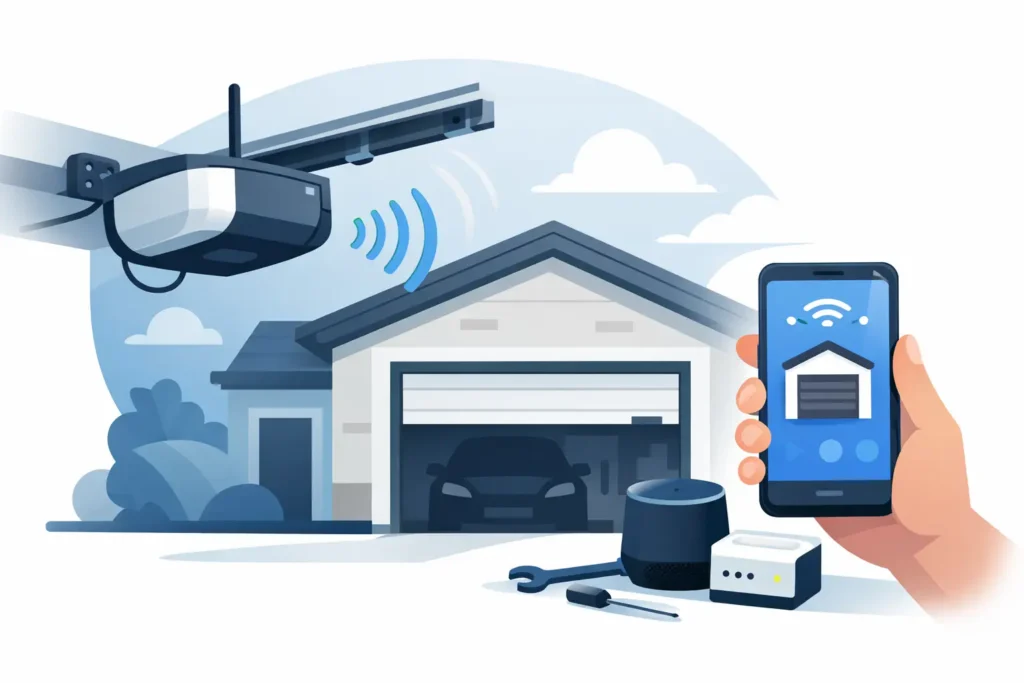
Your garage door is the largest moving feature in most homes. It relies on springs, cables, rollers, tracks, hinges, brackets, sensors, and an opener all working together. When one part starts to wear, the rest of the system often has to work harder. Regular professional service helps keep that wear from becoming an unexpected repair.
What a Garage Door Preventative Maintenance Service Covers
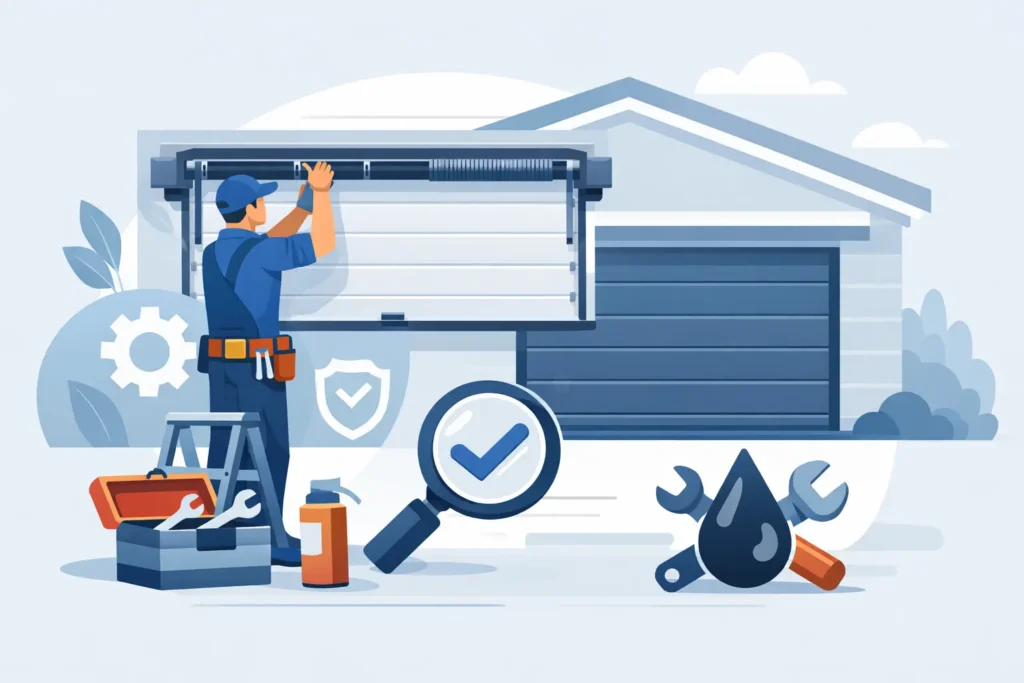
A proper maintenance visit looks at the whole system, not just the part that happens to make noise. A technician should inspect the door’s movement, hardware, safety features, and opener operation to identify issues early and explain what needs attention now versus what can be monitored.
The visit commonly begins with a visual inspection of the door panels, hinges, brackets, tracks, rollers, cables, and bottom seal. Loose hardware, worn rollers, bent track sections, cracked hinges, and frayed cables can all affect how smoothly the door travels. Some parts may only need adjustment or lubrication. Others may be nearing the point where replacement is the safer choice.
Spring balance is another major part of the appointment. Springs carry much of the door’s weight, while the opener guides the door through its cycle. If springs lose tension or begin to fail, the opener may strain, the door may feel heavy, and the system can become unreliable. Because garage door springs are under high tension, this inspection and any adjustment should be handled by a trained technician.
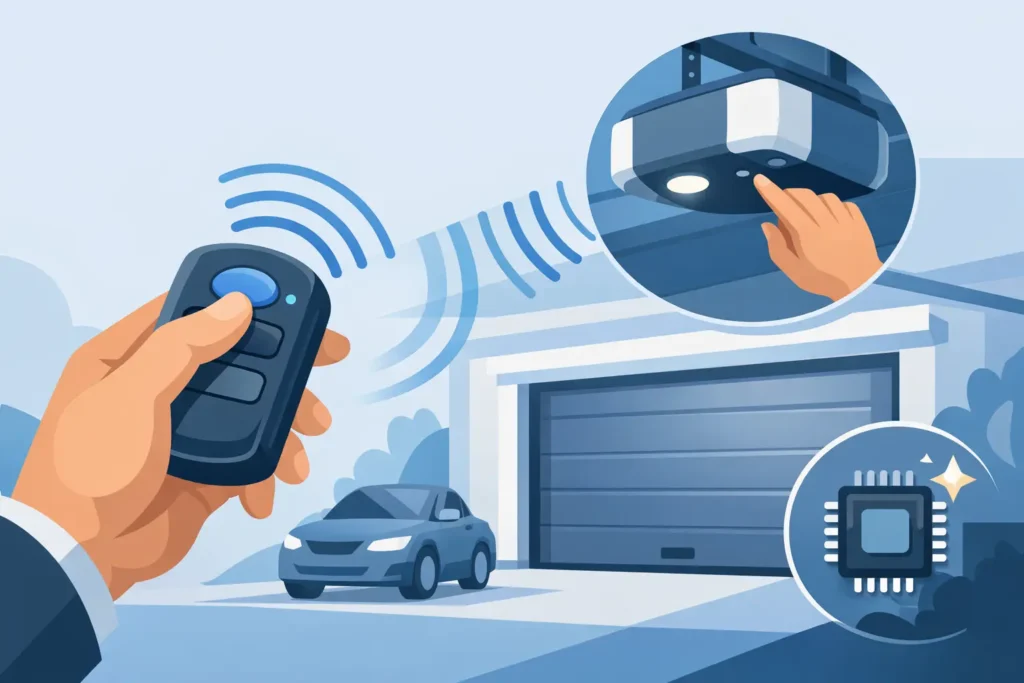
A maintenance service should also include testing the photo-eye sensors and the opener’s reversing function. These safety features are designed to stop or reverse the door when there is an obstruction. A door that does not reverse properly is not a minor inconvenience. It needs prompt attention, particularly in homes with children, pets, or vehicles moving through the garage every day.
Why Routine Service Saves More Than Repair Costs
Many garage door failures are not completely sudden. A door may become louder, shake during travel, close unevenly, or hesitate before opening. Those signs are easy to live with for a while, especially when the door still works. But they can point to a roller wearing out, hardware loosening, a track moving out of alignment, or an opener compensating for an unbalanced door.
Addressing small issues early can help avoid damage to more expensive components. For example, a poorly balanced door puts unnecessary load on the opener. Replacing a worn roller or correcting an alignment issue may be far less costly than replacing an opener that has been forced to do work the springs should be handling.
Maintenance also supports home security. A garage door that does not close fully, reverses unexpectedly, or has a damaged bottom seal can leave an opening into your home. For attached garages, that means a problem with both access and weather protection. A professional check can identify gaps, sensor issues, weak locks, and operating concerns before they affect your daily routine.
There is a practical trade-off to consider. A newer door and opener that operate quietly may not need the same level of service as an older system with high daily use. Still, even new equipment benefits from safety testing and seasonal inspection. Routine care is typically less disruptive than waiting for a failure, and it gives homeowners time to make decisions without pressure.
Signs It Is Time to Schedule Maintenance
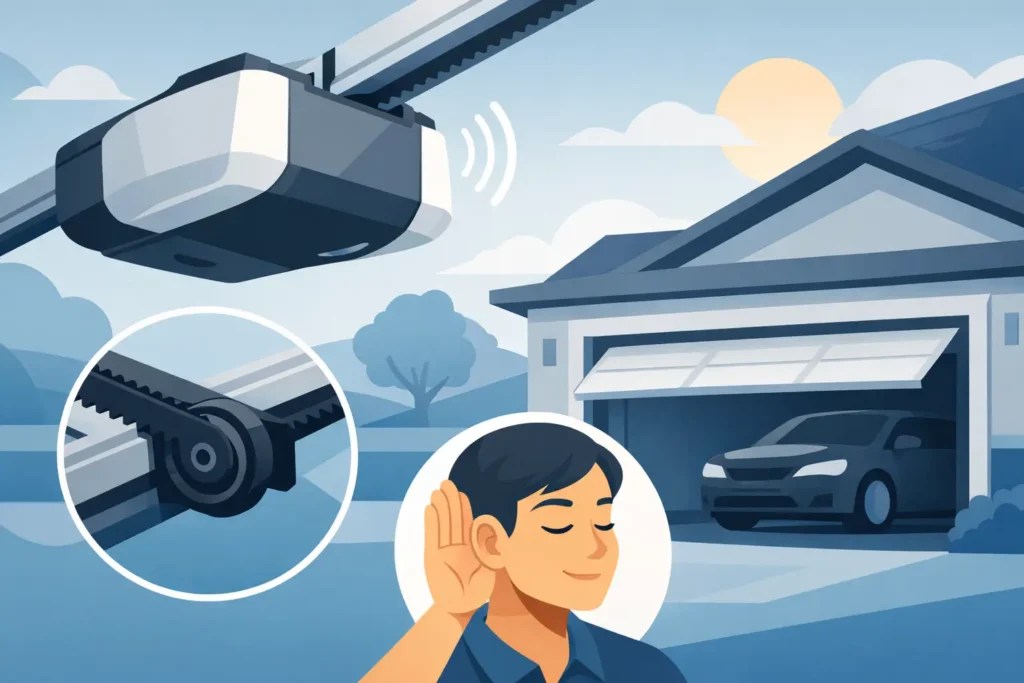
You do not need to wait for a complete breakdown to call for service. If your door is noticeably noisier than it used to be, moves unevenly, shakes, or takes longer to respond to the remote, it is worth having it checked. Grinding, squealing, popping, or scraping noises should not be ignored.
Other warning signs include a door that stops before reaching the floor, reverses for no clear reason, leaves a gap at the bottom, or only opens partway. You may also notice the opener light flashing, the remote working inconsistently, or a door that feels unusually heavy when operated manually. These symptoms do not always mean a major repair is needed, but they do mean the system deserves a professional inspection.
Homeowners should never attempt to repair broken springs, cables, or a door that has come off its tracks. These components can move with significant force, and a do-it-yourself repair can lead to injury or additional damage. It is safer to stop using the door and arrange service.
What Homeowners Can Do Between Visits
Professional maintenance handles the high-risk work, but a few simple habits can help you notice trouble sooner. Watch the door as it opens and closes occasionally. It should move steadily without jerking, rubbing, or excessive vibration. Keep the photo-eye sensor lenses clean and make sure boxes, tools, or seasonal items are not blocking the sensor path.
You can also keep the tracks clear of debris and inspect the weather seal for cracks or gaps. Avoid applying random household oils or heavy grease to every moving part. The wrong product can collect dirt, create buildup, or fail in cold temperatures. A technician can apply the correct garage door lubricant where it is needed and tell you whether a noisy component needs lubrication or replacement.
It is also wise to test the opener’s reversal feature from time to time according to the manufacturer’s instructions. Place a solid object such as a piece of lumber flat on the floor in the door’s path. When the closing door contacts it, the door should reverse. If it does not, stop using the automatic function until the issue is corrected.
How Often Should Garage Door Maintenance Be Scheduled?
For most homes, annual professional maintenance is a sensible baseline. A door that is used several times each day, serves a large family, or operates in a busy commercial setting may need attention more often. Older doors, wood doors, and systems exposed to heavy weather also benefit from closer monitoring.
Late summer or early fall can be a practical time to schedule service in Massachusetts. It gives you an opportunity to address worn weather seals, lubrication needs, and operating issues before winter cold puts added stress on the system. That said, the best time is when you notice a change in performance. Waiting for a preferred season is not worth the risk if the door is already acting unpredictably.
A trustworthy technician should provide straightforward findings rather than push a full replacement when a repair will do. Sometimes replacing a few worn parts and making proper adjustments can extend the useful life of the door. Other times, repeated failures, extensive panel damage, or an outdated opener make replacement the better long-term value. The right answer depends on the condition of your particular system.
Choose Service That Puts Safety First
A maintenance appointment should leave you with a quieter, safer, more dependable door and a clear understanding of its condition. Ask what was inspected, what was adjusted, and whether any parts should be planned for in the future. Clear answers help you budget and avoid surprise repairs.
Patriot Garage Door provides homeowners with practical recommendations, quality workmanship, and service built around the way a garage door affects everyday life. Whether your system is making a new noise or simply has not been checked in years, a timely inspection can protect your access, safety, and peace of mind.
Your garage door works hard in every season. Giving it professional attention before it demands it is one of the simplest ways to keep your home moving safely.
Need Help With Your Garage Door?
From broken springs and opener issues to repairs and new installations, Patriot Garage Door provides dependable service when you need it.